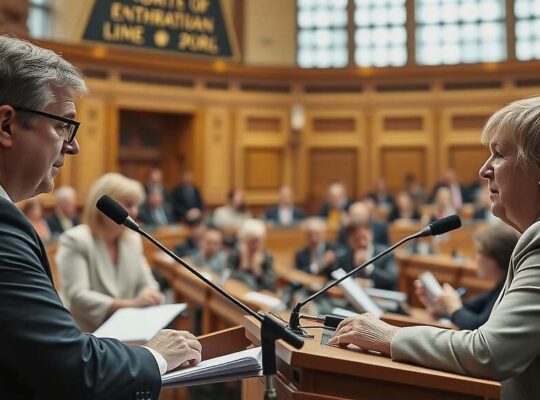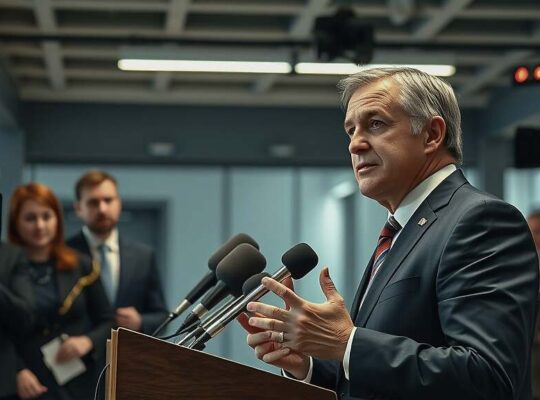
A deepening rift is emerging within Germany’s governing coalition over the future of Syrian refugees residing in the country, highlighting the complexities of integration, repatriation and the delicate balance between humanitarian concerns and increasingly assertive immigration policies. Sonja Eichwede, Vice Chair of the Social Democratic Party (SPD) parliamentary group, has sharply criticized proposals from the Christian Social Union (CSU), a coalition partner, advocating for the widespread return of Syrian citizens with temporary residency permits.
Eichwede argued that a blanket call for repatriation disregards the reality of a significant portion of the Syrian community, emphasizing their successful integration into German society. She pointed to the numerous Syrians employed in vital sectors, including healthcare, contributing substantially to the nation’s economy and social fabric. Many have also acquired German citizenship, firmly establishing their lives within the country.
The CSU’s draft position paper, reportedly pushing for voluntary or forced returns following the cessation of hostilities in Syria, has triggered the rebuke. While acknowledging the need for individual assessments of potential returns, predicated on evaluations from the Federal Foreign Office and the Federal Office for Refugees, Eichwede condemned the proposal as embodying “sweeping judgments” incompatible with the principles of due process.
The debate exposes a fundamental divergence in approaches to migration policy. While acknowledging the imperative for adherence to German laws and regulations – a condition she stressed is essential for participation in German society – Eichwede affirmed the SPD’s commitment to returning convicted criminals and potential security threats to Syria, as stipulated in the governing coalition agreement.
Eichwede stressed the importance of measured action over reactive policies, emphasizing ongoing efforts to reform migration practices with a focus on balancing humane treatment with maintaining order. She highlighted the German government’s ongoing implementation of the Common European Asylum System, insisting that these measures must now demonstrate their effectiveness. This pronouncement implicitly cautions against populist maneuvers that could undermine the established framework.
The disagreement reflects a growing tension within German politics. While the CSU’s proposals are fueled by concerns over public opinion and perceived strain on resources, Eichwede’s stance underscores the potential social and economic consequences of mass deportations and the moral obligation to recognize the contributions of those who have integrated into German society. The debate is likely to intensify as the German government grapples with defining its long-term strategy toward Syrian refugees and the broader issue of immigration.