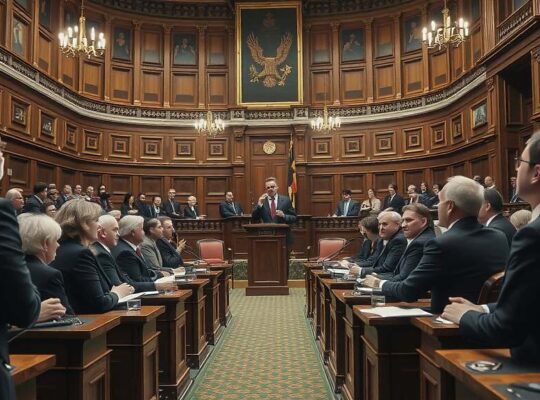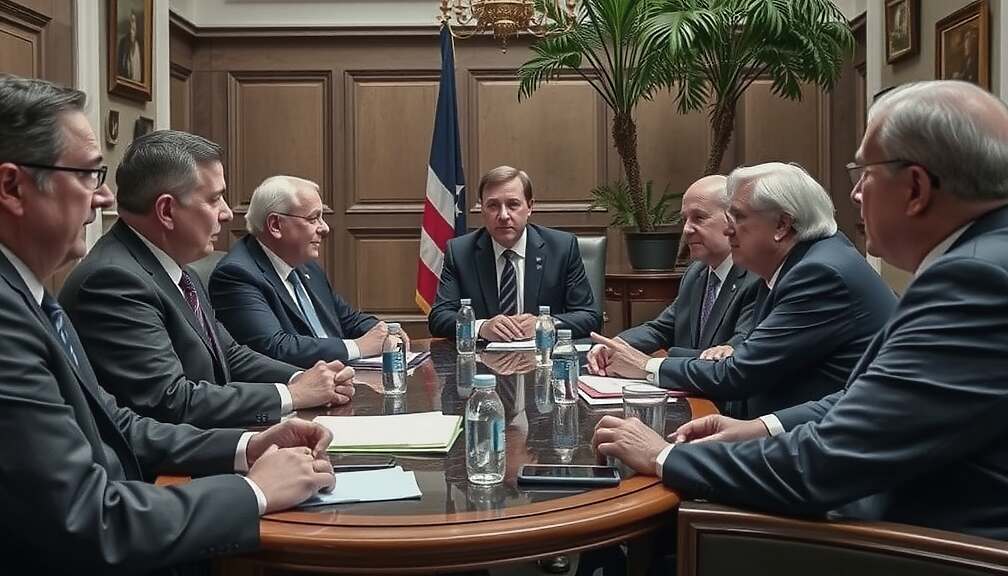
A simmering tension within Germany’s ruling coalition has surfaced, with the Social Democratic Party (SPD) urging the Christian Democratic Union (CDU) to prioritize the implementation of existing agreements before entertaining discussions about revising the coalition contract. The debate, initiated by Minister for the Chancellery, Thorsten Frei (CDU), signals a potential fracturing of priorities within the fragile government.
SPD Parliamentary Secretary Dirk Wiese, in remarks to the “Rheinische Post”, emphasized the substantial workload already mandated by the current coalition agreement. He argued that focusing on delivering on those key commitments is paramount, particularly given the impending reports from various commissions tasked with overhauling Germany’s social security system, due in 2026. “There is enough to do” Wiese stated, “so we will have to roll up our sleeves three or four times.
The SPD’s stance represents a subtle pushback against what some within the party perceive as the CDU’s eagerness to revisit established policy frameworks. While coalition agreements are frequently subject to review, the timing – alongside ongoing economic anxieties and the complex landscape of European security – raises questions about the stability and efficiency of government.
Wiese also pointed to the recent history of crisis response as a crucial factor. He underscored the need for a government to maintain flexibility and adaptability in the face of unforeseen challenges, referencing the influx of Syrian refugees, the COVID-19 pandemic and Russia’s ongoing war in Ukraine. This implicit critique suggests a caution against the rigidity that could arise from excessive policy renegotiation, potentially hindering Germany’s agility in responding to future emergencies.
The disagreement highlights a fundamental divergence in approach: the CDU seemingly driven towards a broader policy overhaul, while the SPD prioritizes the concrete delivery of existing promises. The outcome of this internal political maneuvering will likely shape the direction of German policy in the coming years and significantly impact the stability of the current governing alliance.