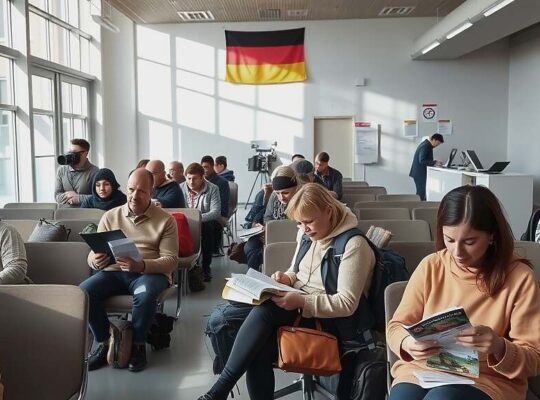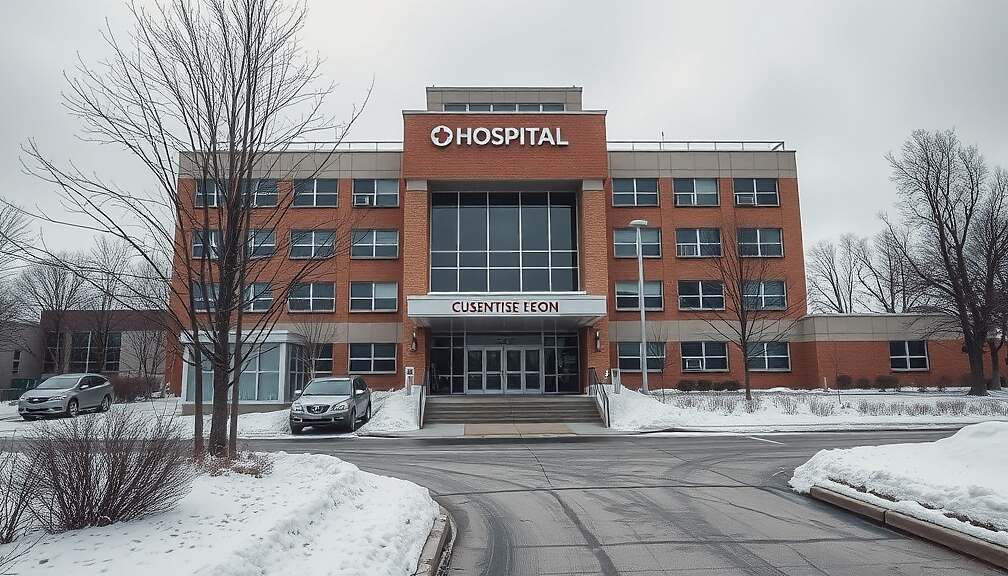
The severe winter weather, exacerbated by the recent storm “Elli” has placed considerable strain on German hospitals nationwide, according to the German Hospital Federation (DKG). Gerald Gaß, CEO of the DKG, highlighted the surge in demand for emergency services in an interview with the “Rheinische Post”, detailing a marked increase in pedestrian accidents, ranging from minor fractures to more serious injuries resulting from icy road conditions.
While the Federation of German General Practitioners initially reported a manageable situation, with many patients treated directly in practices and fewer requiring hospital transfer, a secondary wave of demand is anticipated. Markus Beier, Federal Chairman of the Federation of German General Practitioners, anticipates an influx of patients needing follow-up care in coming weeks, those initially treated in hospital emergency rooms for injuries sustained during falls.
The current crisis has reignited a debate about the preparedness of the German healthcare system for extreme weather events. Critics argue that the surge in injuries, while predictable given the severity of the recent conditions, exposed vulnerabilities in infrastructure and resource allocation. The reliance on emergency rooms for initial treatment, followed by outpatient care, also points to potential bottlenecks and inefficiencies which could be exacerbated during future meteorological challenges.
Furthermore, the incident underscores the broader issue of aging infrastructure and its capacity to withstand increasingly frequent and intense weather phenomena, a trend linked to climate change. Calls are growing for increased investment in preventative measures, including winter road maintenance, pedestrian safety improvements and a review of hospital capacity and staffing levels, particularly in regions frequently impacted by extreme winter conditions. The pressure on both hospitals and general practitioners reinforces the need for a coordinated national strategy to mitigate the impact of future weather-related health crises.