Stuttgart’s Victory Highlights Bundesliga Instability
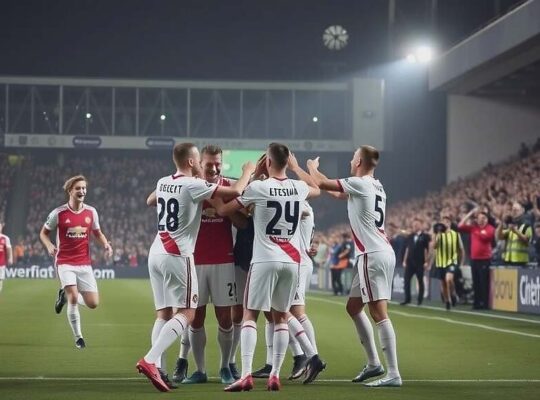
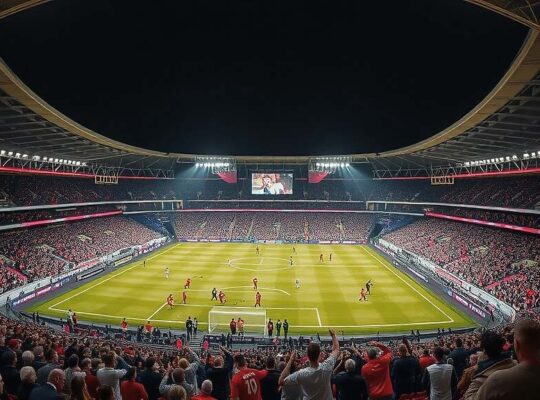
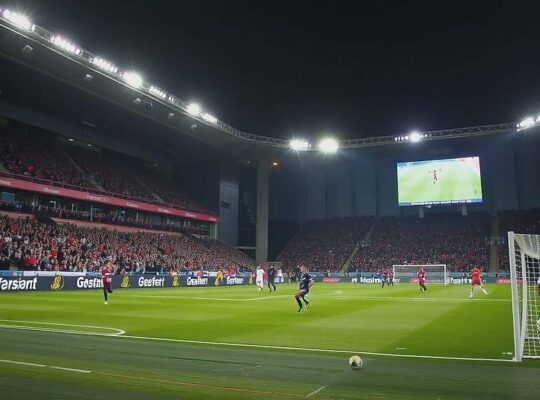
Tuesday night’s Bundesliga match between VfB Stuttgart and Eintracht Frankfurt offered more than just three points; it showcased the precariousness of form and the shifting power dynamics within German football.. Stuttgart’s 3-2 victory, secured in a dramatic finale, underscored a growing unease amongst pundits and fans alike regarding the established order.
While Frankfurt initially appeared to dictate the pace, seizing an early lead through Rasmus Kristensen’s headed goal, the match quickly descended into a chaotic display of defensive vulnerabilities and tactical miscalculations. Stuttgart’s equalizer, born from a costly error by the Frankfurt goalkeeper, revealed a disconcerting lack of composure within Oliver Glasner’s side, a team previously lauded for its organizational resilience.
The home team’s subsequent turnaround, punctuated by Deniz Undav’s decisive goal, suggested a deeper problem within Frankfurt’s ranks – a potential disconnect between ambition and execution. This vulnerability was further exposed in the second half, as the game ebbed and flowed, highlighting a tangible decline in Frankfurt’s previously impenetrable defensive structure.
The late equalizer from Frankfurt debutant Ayoube Amaimouni-Echghouyab, a moment of fleeting promise, only served to amplify the narrative of inconsistency plaguing the club. The eventual winning goal from Nikolas Nartey, crafted with a crucial assist from Josha Vagnoman, felt less like a triumph and more like a testament to Frankfurt’s unraveling.
Beyond the immediate implications for both clubs’ league standings, the result raises pertinent questions about the Bundesliga’s wider competitive balance. Stuttgart, often considered a developing side, now find themselves defying expectations and demonstrating a resilience that eludes more established teams. This victory, however fleeting it might prove, serves as a stark reminder that Bundesliga dominance is no longer a guarantee and that the traditional hierarchy is increasingly susceptible to disruption. The fragility displayed by Frankfurt in particular, a team targeting European qualification, throws a spotlight on the challenges facing German football and the persistent need for strategic reassessment amongst leading clubs.