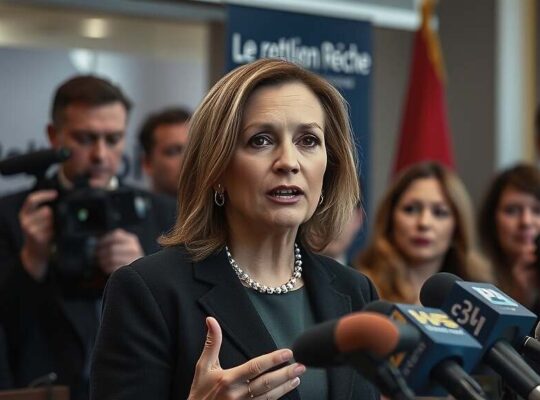
The German Tenants’ Association (DMB) is publicly acknowledging Justice Minister Stefanie Hubig’s efforts to champion tenants’ rights, while simultaneously pressing the federal government to implement more robust protections against escalating rental costs. Melanie Weber-Moritz, President of the DMB, lauded Hubig’s commitment and particularly her advocacy for a strengthened legal framework, highlighting the crucial role she played in extending the rent control measures. Weber-Moritz conceded that the current government has already taken more action on tenants’ rights than its predecessors, a significant shift in policy direction.
However, the DMB maintains that current measures are insufficient to adequately shield renters from exploitative pricing practices. A persistent obstacle to further reform, according to Weber-Moritz, lies in the opposition from the coalition partner, the CDU/CSU and from influential landlord associations. She criticized the government’s perceived lack of resolve in overriding this resistance and prioritizing the needs of tenants over the interests of property owners.
“The government must demonstrate a significantly clearer and more decisive commitment to addressing the housing crisis” Weber-Moritz demanded, pointing to the soaring rates of new rental agreements in urban centers. She deemed the planned reforms, championed by Minister Hubig, urgently required, insisting that failing to act would render the situation untenable for the majority of Germans who rent their homes-a housing crisis she categorized as a “social crisis of our time.
Specific demands from the DMB encompass stricter penalties for landlords violating rent control regulations, prosecution of exorbitant rental fees (often described as “gouging”) and more comprehensive controls on index-linked rentals, the burgeoning short-term rental market and the increasingly prevalent trend of furnished accommodations.
Minister Hubig, in turn, has signaled her intention to introduce sweeping revisions to rental law before the Bundestag in the new year. While acknowledging the past extension of rent controls as a critical achievement, she outlined plans to tackle systemic issues including the regulation of furnished rentals, short-term leases and index-linked contracts. Hubig described these impending changes as requiring “pragmatic solutions” and confirmed the submission of a draft bill for internal governmental review just before the Christmas break.
“My objective is clear: this draft must become law this year to improve the situation in the strained rental market” Hubig stated, emphasizing the formidable task ahead. She expressed confidence in a shared commitment within the ruling coalition to enact these reforms and reiterated the government’s pledge to “substantially strengthen tenants’ rights”. Critics, however, remain skeptical, questioning whether the coalition’s inherent divisions will allow for the decisive action required to alleviate the escalating housing pressures facing many German citizens. The power dynamics within the government will be pivotal in determining the success of Hubig’s legislative agenda.