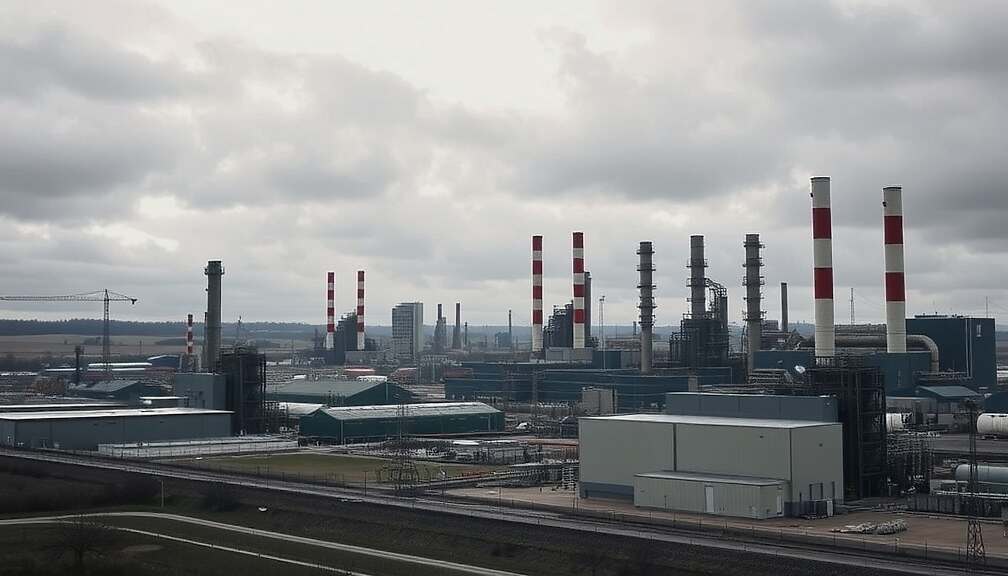
The restructuring of Thyssenkrupp Steel, Germany’s largest steel producer, will come at a significant cost, estimated to be in the “low three-digit million euro range” according to Marie Jaroni, the company’s head of steel. The scale of the overhaul, involving plant closures, production cuts and a workforce reduction of approximately 11,000, underscores the severity of the company’s financial woes, having reportedly burned through €5 billion in cash over the past five years.
The restructuring package, formalized through a collective agreement signed with the IG Metall trade union, aims to secure the steel division’s financial stability until at least the end of 2030. While Jaroni emphasizes the financing for this period is secured, details surrounding the crucial management of the company’s substantial €2.6 billion pension liabilities remain shrouded in confidentiality, a key condition of the union’s agreement.
The future of Hüttenwerke Krupp Mannesmann (HKM), a joint venture in which Thyssenkrupp Steel holds a 50% stake, remains precarious. Thyssenkrupp Steel intends to either sell or potentially close down HKM, which operates aging blast furnaces and a coke plant in Duisburg. With 3,000 employees at risk and 1,500 positions already factored into the restructuring plan, the situation has prompted an open letter from HKM’s works council, suggesting a possible takeover by rival Salzgitter with financial assistance from Thyssenkrupp. This approach, while not officially endorsed by Thyssenkrupp, reveals the tension between workforce protection and the company’s strategic realignment.
The restructuring process itself is also fraught with potential delays, particularly concerning the construction of a state-subsidized “green steel” production facility. While projected to receive around €2 billion in government funding, the project’s timeline is currently under revision, prompting comparisons to the troubled Stuttgart 21 infrastructure project, though Jaroni vehemently dismissed any parallels.
The financial turnaround is not merely about cost-cutting; it represents a fundamental repositioning of a cornerstone of German industry. While the restructuring package offers a degree of short-term stability, the unresolved issues surrounding HKM’s fate and continued pension obligations, alongside potential delays in crucial green technology implementation, highlight the significant challenges that lie ahead for Thyssenkrupp Steel as it strives to regain profitability and ensure its long-term viability. The complex interplay of workforce interests, shareholder demands and government subsidies will ultimately determine whether the steel giant can successfully navigate this critical juncture.