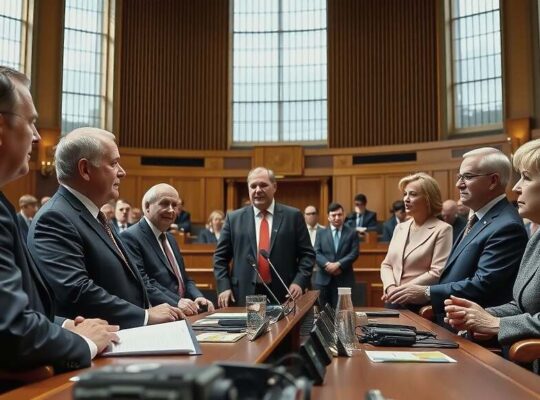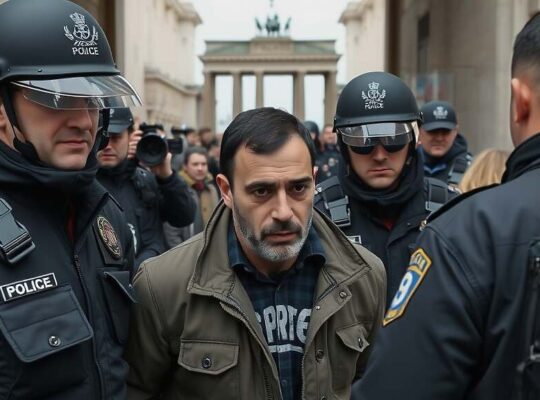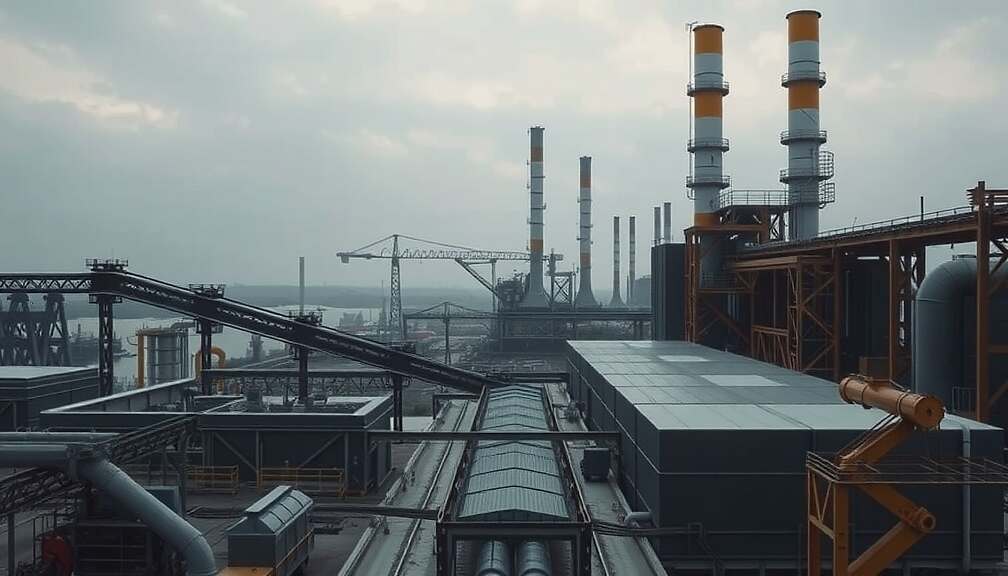
The recent attack on Berlin’s power grid has ignited a fierce debate within Germany’s political establishment regarding the balance between transparency requirements for critical infrastructure and national security. Senior officials are now voicing serious concerns that existing regulations, intended to foster openness, are inadvertently creating vulnerabilities exploited by hostile actors.
Christoph de Vries, Parliamentary State Secretary at the Federal Ministry of the Interior, delivered a stark warning to Funke-Mediengruppe newspapers, arguing that comprehensive transparency obligations for companies operating vital services like energy providers effectively represent “an invitation for the enemies of our democracy”. He cautioned that such disclosures enable targeted and effective attacks capable of inflicting devastating damage on citizens and businesses.
The Association of Municipal Utilities (VKU) echoed this sentiment, maintaining that current transparency rules within the energy sector are facilitating reconnaissance for potential attackers. A VKU spokesperson stated that sensitive location data and performance information could be inadvertently revealed, transforming into a “user manual for sabotage or hybrid attacks” – including the potential deployment of drone technology. The organization emphasized the necessity of shielding critical infrastructure from overt exposure, asserting that transparency, freedom of information and open data initiatives risk becoming security liabilities. The call was for significant simplification of data disclosure, ensuring it is rendered harmless from a security perspective.
Adding weight to the chorus of concern, Marc Henrichmann, chairman of the Bundestag’s intelligence oversight committee, expressed alarm over the level of detail currently accessible regarding German infrastructure. He characterized “all-encompassing transparency” as a significant security risk, highlighting the ease with which potential targets can be identified utilizing readily available tools like Google Maps. Henrichmann demanded measures to prevent adversaries from easily and comprehensively scrutinizing vital infrastructure, thereby facilitating attack planning.
The Berlin attack has intensified calls for expedited action on a proposed “KRITIS Act” a piece of legislation designed to mandate regular risk assessments and bolster protective measures for critical infrastructure operators. De Vries urged swift and decisive governmental action, emphasizing the urgency of deploying the act through both the Bundestag and Bundesrat. He stressed that further delays in safeguarding critical infrastructure, such as energy and healthcare, could precipitate further disastrous consequences for both citizens and businesses. The debate underscores a growing tension between a commitment to public access to information and the need to safeguard essential services in an increasingly volatile geopolitical landscape.