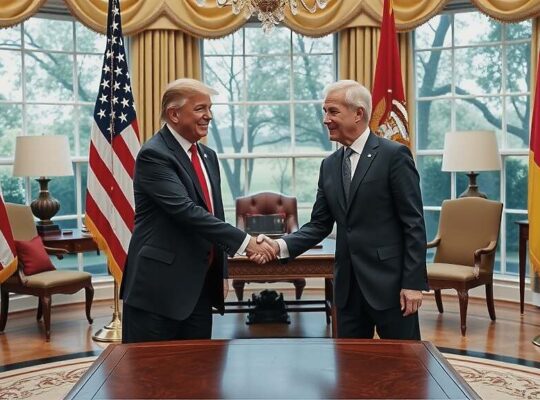
The proposal to escalate the United States’ military budget to $1.5 trillion by 2027, championed by former President Donald Trump, is triggering renewed debate over fiscal priorities and the trajectory of American foreign policy. Trump announced the plan on his social media platform this week, claiming it was the result of protracted negotiations with key figures in Congress and the administration. He justified the immense expenditure by pointing to revenue generated from tariffs, arguing this made the unprecedented level of funding “easily achievable.
The current military budget has already seen substantial increases over the past decade. Rising from approximately $640 billion in 2016, it reached $997 billion in 2024, placing the U.S. significantly above all other nations in military spending. The proposed $1.5 trillion figure represents a staggering increase, prompting immediate scrutiny from economists and political analysts alike.
While proponents suggest this bolstered military capability will solidify American dominance and deter potential adversaries, critics raise serious concerns about the opportunity cost. The vast sums allocated to defense could, they argue, be redirected towards pressing domestic needs such as infrastructure improvements, education, healthcare and climate change mitigation.
The timing of the announcement is also politically charged. The push for a significantly larger military budget is likely to exacerbate existing divisions within Congress, particularly regarding the appropriate allocation of resources and the strategic objectives they should support. While some Republicans are likely to endorse the plan unequivocally, Democrats are expected to voice concerns over the escalation of military spending, potentially advocating for increased oversight and stricter accountability measures.
Furthermore, the reliance on tariff revenue to fund this massive increase introduces a layer of economic uncertainty. The sustainability of this funding model hinges on the continued imposition and effectiveness of tariffs, a policy already fraught with international trade disputes and potential reciprocal actions.
The debate surrounding this proposed budget highlights a broader tension within American politics – the perennial struggle between projecting global power and addressing critical domestic challenges. The decision to pursue such a dramatic increase in military expenditure will undoubtedly shape the future of American foreign policy and its domestic economic landscape for years to come, demanding rigorous public examination and considered political leadership.