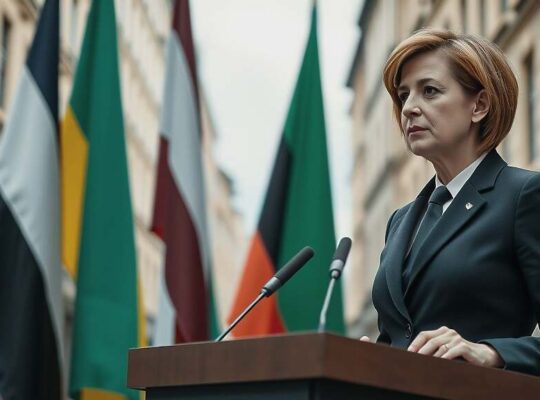
Kyiv is signaling a renewed push for bolstered security guarantees and a framework for a lasting peace agreement, with President Volodymyr Zelenskyy anticipating significant progress in talks scheduled for early January. In a series of social media posts and subsequent statements, Zelenskyy indicated intensive diplomatic efforts are underway, involving close coordination with the United States and European partners.
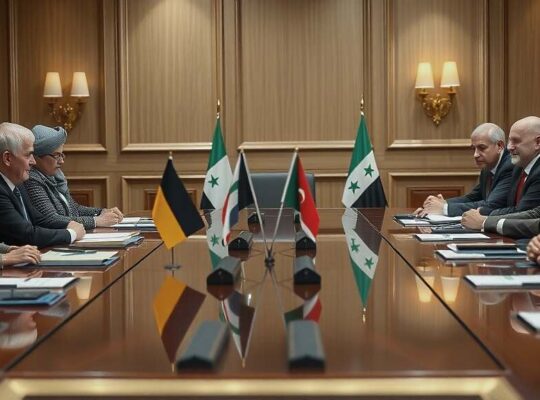
The forthcoming meetings, culminating in a gathering of European heads of state and the “Coalition of the Willing” on January 6th, represent a critical juncture in Ukraine’s strategy to secure its future stability amidst the ongoing conflict with Russia. A key event, the first in-person meeting of national security advisors held in Kyiv on January 3rd, will involve representatives from fifteen countries, including European institutions and NATO, with the U.S. delegation expected to participate virtually.
Zelenskyy underscored the meetings’ focused objective: solidifying security guarantees and bolstering political confidence in a potential peace accord. The President specifically highlighted the need to clarify the practical implementation of these guarantees, encompassing protections across aerial, terrestrial and maritime domains-a prospect intrinsically linked to a successful end to hostilities.
However, analysts suggest the optimistic tone must be tempered with caution. While the seemingly extensive preparations indicate a concerted effort to formalize commitments, the details of these guarantees remain opaque. Questions persist regarding the scope and enforceability of any pledges made and the lack of specifics fuels speculation about potential disagreements among participating nations regarding the level of commitment.
Critically, the inclusion of NATO representatives, while indicative of Allied support, also underscores the Organization’s nuanced position on direct involvement in the conflict. Balancing the need for Ukrainian security with the strategic avoidance of triggering a wider war with Russia presents a complex and potentially divisive challenge for the international community. The upcoming consultations are therefore not merely procedural steps, but vital indicators of the extent to which Western nations are willing to fundamentally alter their security posture in Europe.