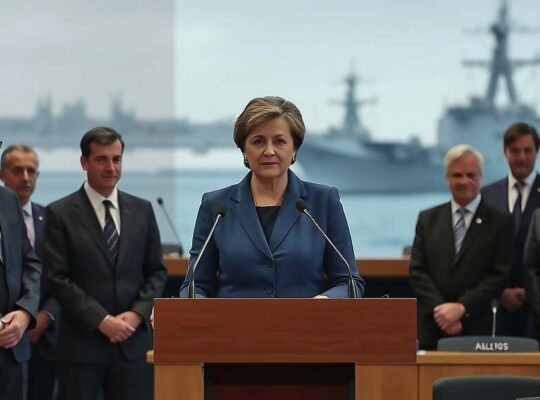
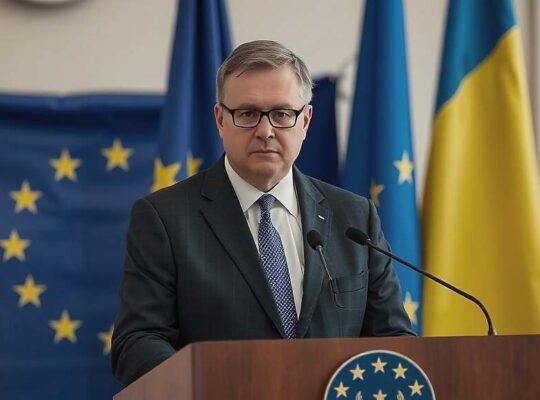
Ukrainian President Volodymyr Zelenskyy has indicated a willingness to proceed with elections despite the ongoing Russian military aggression, according to reports from Ukrainian media outlets. The potential move, however, is intricately linked to external security guarantees and raises complex political questions about legitimacy and international involvement.
The reported condition for holding elections within the next one to two months hinges on assurances of security provided by the United States and European partners. This requirement necessitates legislative adjustments, as current Ukrainian – and German – law prohibits elections during a state of war. The sudden shift in posture follows previous staunch refutations of any compromise on the timing of elections, fueled by concerns about the integrity of the process under duress.
The suggestion has ignited a particularly volatile political dimension given former US President Donald Trump’s recent echoing of Russia’s stated demand for Ukraine to hold elections in an interview with “Politico”. This development mirrors a prior US endorsement of an 18-point plan for Ukraine’s future, which emerged from negotiations with Russia and stipulated elections for a residual, non-Russian Ukraine. This previously supported plan represents a significant and now seemingly revisited, policy shift.
Analysts are highlighting the potential implications of this evolving situation. While Zelenskyy’s stated openness may be presented as a gesture of democratic commitment, it also exposes a vulnerability and dependence on external powers. The connection to Trump’s stance and the resurfacing of the previously downplayed 18-point plan are raising concerns regarding potential concessions being made within ongoing negotiations, especially given the precarious military situation.
Furthermore, the question of legitimacy hangs heavily over such elections. With millions displaced and a significant portion of the population under military occupation or in frontline areas, the representativeness of any vote is questionable. The demand, even if subtly articulated, from figures like Trump, risks delegitimizing the process in the eyes of many Ukrainians and international observers, potentially undermining any positive outcome. The current negotiations surrounding this “peace plan” are being scrutinized as a delicate balancing act between pressure from external actors and Ukraine’s sovereign right to self-determination.