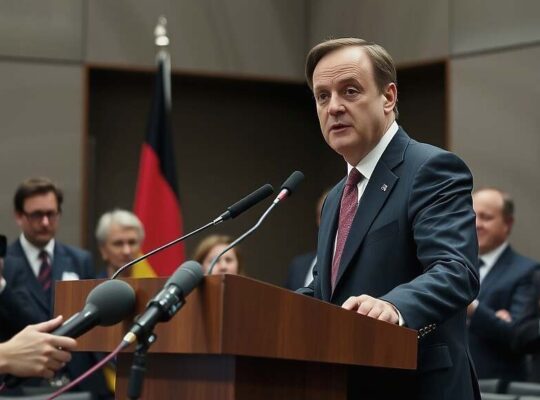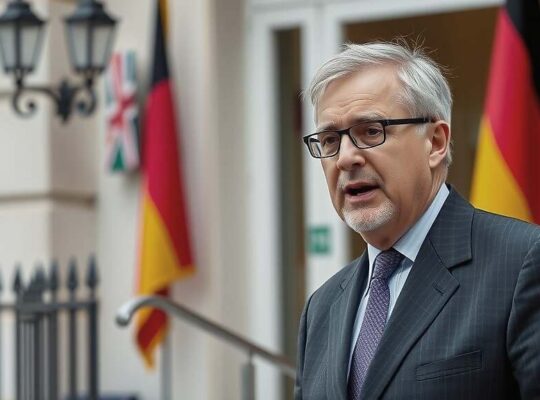
German Foreign Minister Johann Wadephul has cautioned that achieving a cessation of hostilities in Ukraine will likely necessitate painful concessions, potentially culminating in a national referendum. In an interview with the Neue Osnabrücker Zeitung, Wadephul suggested that Ukrainian citizens may ultimately be required to vote on whether to accept terms for ending the conflict, specifically referencing Russia’s demands for significant territorial transfers.
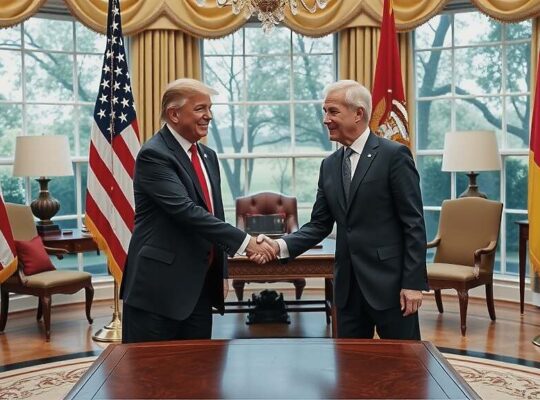
While acknowledging a current window of opportunity for a ceasefire – fueled by robust international engagement and Ukraine’s demonstrated willingness to negotiate – Wadephul emphasized critical preconditions for lasting peace. A key factor, he stated, will be ensuring Ukraine’s security against renewed Russian aggression. This security guarantee, he underscored, hinges primarily on the commitment of the United States, highlighting the pivotal role Washington must play in shaping the future stability of the region.
The prospect of concessions and a potential referendum raises complex political ramifications for Ukraine’s leadership and its relationship with Western allies. Critics are likely to argue that any compromise on territorial integrity risks emboldening Russia and undermining the principles of sovereignty and self-determination. Wadephul’s comments, while pragmatic, inject a dose of realism into the ongoing diplomatic efforts and subtly signal the challenging path ahead for achieving a sustainable resolution to the conflict, one heavily reliant on US strategic alignment and political will. The nature and scale of acceptable “concessions” will undoubtedly become a source of fierce debate in Kyiv and across the international community.