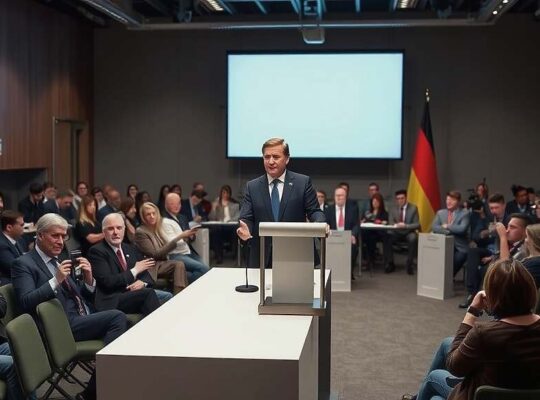
Chancellor Friedrich Merz of the Christian Democratic Union (CDU) is set to host Ukrainian President Volodymyr Zelenskyy in Berlin on Monday, marking a significant moment in Germany’s ongoing engagement with the conflict in Ukraine. The government announced the visit on Friday, stating the primary focus will be on German-Ukrainian economic discussions and a dialogue concerning the current trajectory of peace negotiations.
While the stated purpose emphasizes economic collaboration – a crucial element in Ukraine’s reconstruction efforts – the inclusion of a discussion regarding peace negotiations raises questions about Germany’s current position within the broader international effort. Critics have observed a perceived shift in recent months, with some questioning the level of direct involvement Germany has demonstrated concerning potential pathways to a ceasefire. The timing of Zelenskyy’s arrival, following renewed concerns over dwindling Western aid packages and shifting geopolitical priorities in Europe, adds a layer of political complexity.
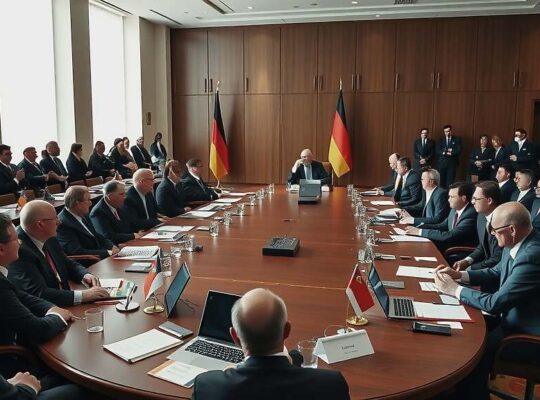
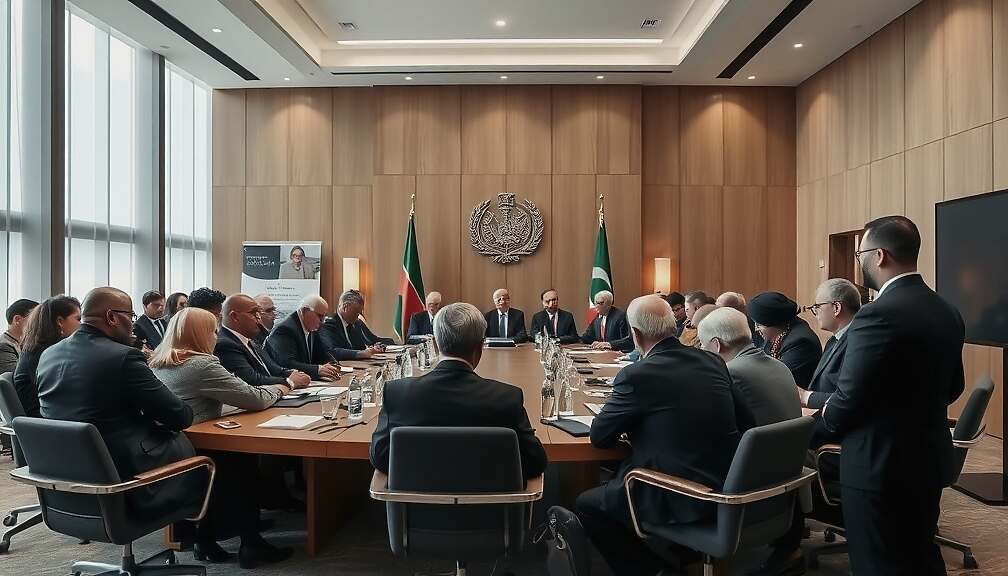
The announcement explicitly mentions the anticipated participation of “numerous European heads of state and government, as well as the leadership of the EU and NATO” later on Monday evening. Although no specifics regarding attendees have been released, speculation is rife within diplomatic circles suggesting a coordinated effort to project unity and demonstrate continued solidarity with Ukraine amidst evolving external pressures.
The discreetness surrounding the extended guest list, however, fuels speculation over potential divisions or sensitivities within the group. Some analysts suggest the move could be intended to facilitate discussions on difficult issues without public scrutiny, potentially addressing disagreements regarding the optimal strategies for resolving the conflict.
Ultimately, Zelenskyy’s visit will be closely watched as an indicator of Germany’s commitment to supporting Ukraine’s sovereignty and bolstering its economic resilience, as well as a potential barometer for gauging the continued consensus within Europe regarding the path forward in a protracted and complex crisis.