The United Nations Security Council convened an emergency session on Tuesday to address escalating tensions between the United States and Venezuela following a series of U.S. naval operations off the Venezuelan coast, ostensibly aimed at combating drug trafficking. The session, initiated by the Venezuelan government with the backing of Russia and China, underscored a deepening rift within the Council and highlighted diverging perspectives on international law and regional security.
A significant majority of Security Council members voiced criticism of the U.S. actions. Russia delivered a particularly sharp rebuke, condemning the “illegal destruction of civilian vessels” in the Caribbean, accusing the U.S. of unilateral overreach. China’s representative echoed this sentiment, unequivocally rejecting “all acts of unilateralism and intimidation” and condemning any interference in Venezuela’s internal affairs. The statement signaled Beijing’s increasing willingness to challenge U.S. dominance on the world stage.
France adopted a more circumspect stance, reaffirming the importance of adherence to international law and the principles of state sovereignty and territorial integrity. While acknowledging the need to combat drug trafficking, France’s representative urged peaceful resolution of disputes, a position perceived by some as a cautious attempt to navigate the increasingly polarized landscape.
The United Kingdom, while also advocating for compliance with international law, particularly the United Nations Convention on the Law of the Sea, simultaneously reiterated its longstanding position questioning the democratic legitimacy of Nicolás Maduro’s regime. This dual messaging highlights the complex balancing act facing European powers – upholding international legal norms while maintaining a critical view of the Venezuelan government.
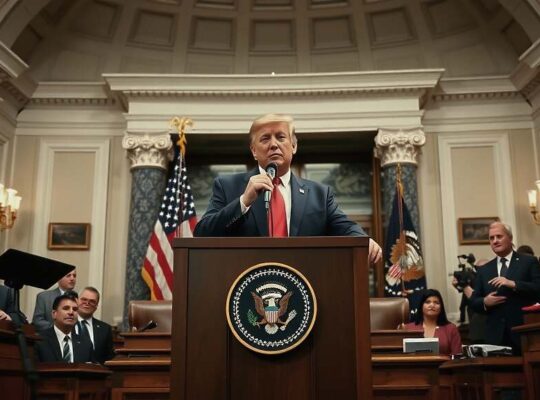
Defending its operations, the U.S. representative asserted the nation’s right to protect its hemisphere, borders and citizens, characterizing Maduro’s government as a leading component of a drug cartel. The statement, framed within a narrative of safeguarding American interests, intensified the accusations and deepened the diplomatic chasm.
Venezuela’s representative vehemently countered these claims, delivering a stark warning about perceived U.S. ambitions. Asserting that one of the nations present at the Security Council had publicly expressed a desire to annex Venezuela, the representative accused the U.S. of harboring a “continental” objective. Drawing attention to language within the U.S. security strategy, the Venezuelan representative alluded to a perceived U.S. claim that the future of the continent belongs to Washington, raising concerns about potential geopolitical maneuvering and interference. The allegations added a new layer of complexity, suggesting anxieties about U.S. intentions that extend beyond the current drug interdiction campaign.