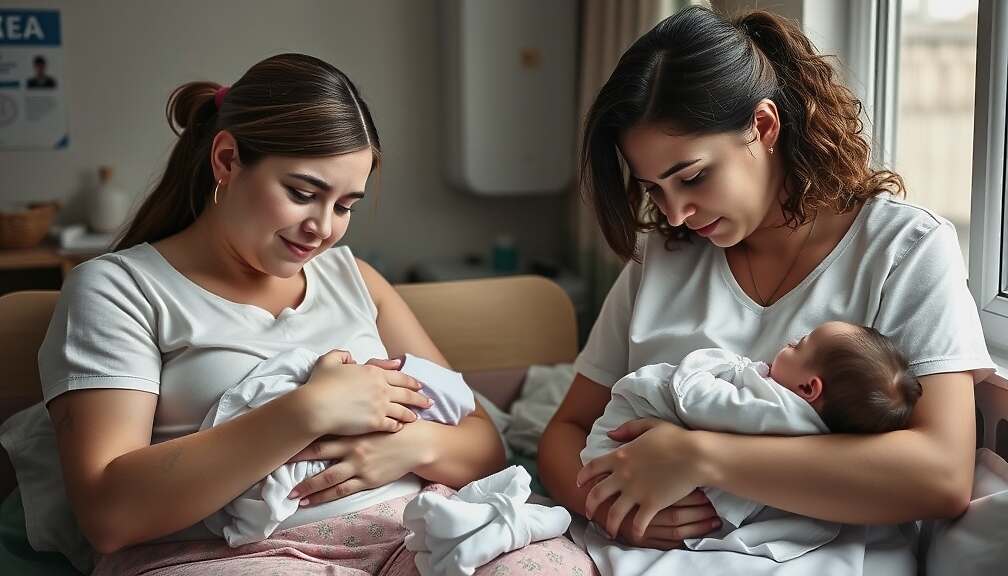
UNICEF and the World Health Organization (WHO) have called upon the global community to strengthen health systems, providing mothers and newborns with high-quality support for breastfeeding.
In a joint statement, UNICEF Executive Director Catherine Russell and WHO Director-General Tedros Adhanom Ghebreyesus emphasized the critical importance of breastfeeding for the health of both children and mothers. They noted that breastfeeding is one of the simplest and most effective measures for protecting a child’s health, as it provides essential nutrients, boosts immunity, guards against serious illnesses, and supports cognitive development. For mothers, breastfeeding also carries significant health benefits, helping to lower the risk of non-communicable diseases such as breast and ovarian cancer, as well as Type 2 diabetes.
The organizations acknowledged that while breastfeeding rates worldwide have increased, the progress remains uneven. Many nations are falling short of global goals because services to support breastfeeding often have low coverage, policies are inconsistently implemented, and the quality of care is frequently insufficient, particularly in low-income, fragile, and humanitarian contexts.
To give every child the best start in life, the organizations urged countries to invest in proven solutions. These actions include expanding community-based counseling programs, fully implementing and enforcing the International Code of Marketing of Breast-milk Substitutes, and investing in paid maternity leave and supportive workplace policies.