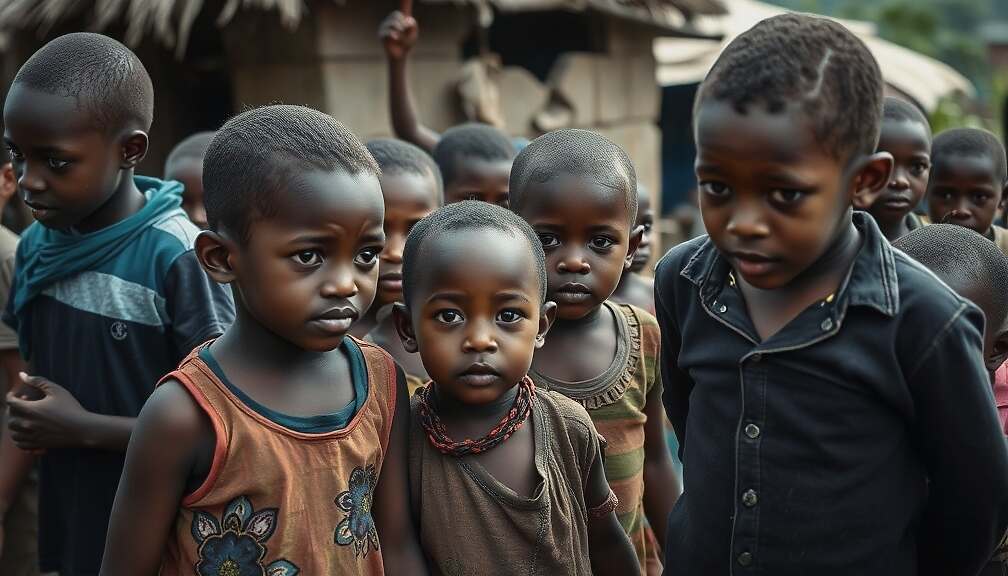
The United Nations Children’s Fund (UNICEF) has issued a stark warning regarding a critical shortfall in funding, leaving 73 million children at risk of missing life-saving assistance next year. The agency estimates a staggering $7.66 billion funding gap, a situation officials are describing as placing unprecedented strain on vital programs.
UNICEF Executive Director Catherine Russell highlighted the agonizing choices already being forced upon field teams. Facing severe limitations in resources, these teams are compelled to triage assistance, prioritizing specific locations and curtailing the frequency and scope of services provided to children. This includes difficult decisions regarding medical supplies, food distribution and protective measures – all directly impacting child survival.
The escalating crisis is fueled by a confluence of factors: intensifying global conflicts, a pervasive hunger crisis and a systematic collapse of basic social services. These conditions have dramatically increased the humanitarian needs of children worldwide, while simultaneously exacerbating a precarious trend in humanitarian financing projected for 2025.
A particularly alarming consequence is the 72% funding deficit impacting UNICEF’s nutrition programs. This necessitates severe cuts impacting 20 priority countries, leaving millions of vulnerable children at increased risk of malnutrition and related illnesses. Furthermore, a $745 million shortfall in the education sector threatens to deprive millions more children of access to essential learning, safeguarding and stability, potentially creating a lost generation.
Russell characterized the current situation as a “growing chasm between the scale of suffering and the available resources” emphasizing that the funding crisis is not reflective of diminished need but rather a systemic failure to adequately respond. The agency contends that despite efforts to adapt to the evolving circumstances, children are already paying a steep and irreversible price for shrinking humanitarian budgets. The implications for global stability and long-term development remain a serious concern, prompting calls for a fundamental reassessment of international humanitarian funding priorities. The agency is now facing the challenge of advocating for increased contributions while simultaneously managing a painful reduction in services.