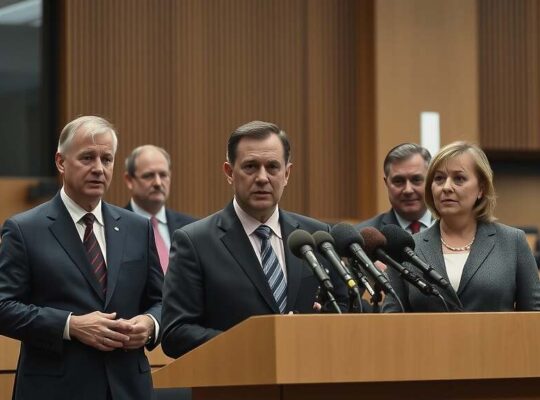
The United States Department of Justice has formally accused Venezuelan President Nicolás Maduro and his wife, Cilia Flores, of a complex web of criminal offenses, including drug trafficking conspiracy, terrorism and weapons-related charges. Attorney General Pamela Bondi announced the indictment on Saturday, citing evidence linking Maduro and Flores to serious violations of US law.
The charges paint a picture of a regime deeply entrenched in illicit activities, alleging a conspiracy to import cocaine into the United States and involvement in terrorist plots. Specific accusations include charges related to possession of machine guns and explosive devices, further highlighting the gravity of the allegations.
The timing of the indictment is particularly noteworthy, preceded by a reported military operation involving US forces in Venezuela. Details surrounding the nature of this operation and whether it directly contributed to the ability to gather evidence for the charges, remain carefully guarded, fueled speculation about a potential destabilization strategy aimed at Maduro’s government.
This development intensifies an already strained relationship between the US and Venezuela. Maduro’s government has repeatedly denounced US interference in its internal affairs and this latest action is likely to be met with staunch condemnation and accusations of political manipulation. Critics suggest the indictment, regardless of its merit, serves to further exacerbate the ongoing humanitarian and political crisis within Venezuela, potentially fueling further instability and internal conflict.
Analysts are now scrutinizing the legal evidence supporting the charges, questioning whether it meets the high threshold required for conviction in US courts. The possibility of extradition, given Maduro’s current status and the Venezuelan government’s control over its own judicial system, presents significant logistical and political challenges. Furthermore, this case raises profound questions about the US’s approach to foreign policy, particularly concerning the use of legal indictments as a tool to exert pressure on regimes deemed unfavorable.