The United States Department of Labor released data Tuesday indicating a concerning rise in unemployment for November, pushing the jobless rate to 4.6%. This marks an increase from 4.4% recorded in September and signals potential headwinds for the Biden administration’s economic agenda. The number of unemployed Americans climbed to 7.8 million, a notable increase from 7.6 million in the preceding month, a period previously obscured by the government shutdown in October.
Job creation also demonstrated a significant slowdown. Non-farm payrolls increased by a meager 64,000, falling short of anticipated growth. While gains were observed in the healthcare and construction sectors, public sector employment continued its downward trajectory, highlighting ongoing concerns about the impact of austerity measures and shifting government priorities. The persistent rise in long-term unemployment, now affecting 1.9 million individuals, raises questions about the effectiveness of existing retraining programs and the structural challenges facing certain segments of the workforce.
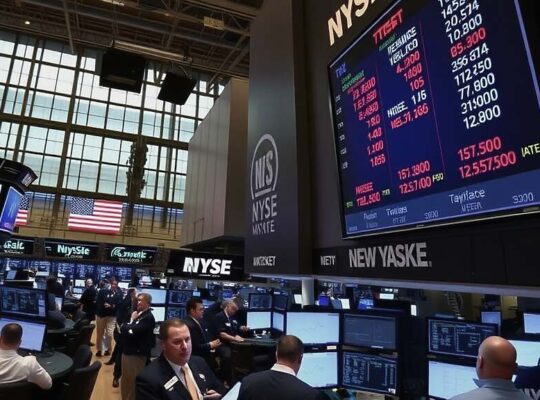
The data is being scrutinized globally by investors, who are keenly observing the health of the US labor market as a key indicator of inflationary pressures and potential adjustments to monetary policy. A robust labor market combined with sustained inflationary trends would likely dissuade the Federal Reserve from considering interest rate cuts – a scenario that, despite potential benefits for equity markets, would constrain borrowing and dampen economic activity across various sectors. The prospect of lower rates, making fixed-income investments less appealing, would theoretically encourage investment and lending, but the current data introduces uncertainty regarding the appetite for such risks amongst businesses and consumers alike.
Analysts are now focusing on whether this upward trend in unemployment represents a temporary blip or a more fundamental shift in the US economic landscape and how policymakers will respond to mitigate potential adverse effects. The implications for the upcoming election cycle are also significant, potentially complicating the administration’s attempts to portray a picture of ongoing economic strength.