The prospect of widespread industrial action looms over Germany’s public sector as negotiations between unions and state governments remain fraught with tension. Frank Werneke, federal chairman of the service sector union Verdi, has issued a stark warning to finance ministers, emphasizing the urgency for a realistic offer during the next round of talks scheduled for mid-January. Failure to deliver such an offer, Werneke stated, significantly diminishes the likelihood of reaching a resolution by February.
Verdi, jointly with the Civil Servants’ Association, is demanding a substantial pay increase for approximately 2.2 million public sector employees – a rise of seven percent, or a minimum of €300 per month. This demand, significantly surpassing mere inflation compensation, reflects a deeper concern over dwindling purchasing power and a desire to aid the nation’s economic recovery.
Werneke’s comments highlight a critical debate regarding the affordability and responsibilities of the government. He argued that the current remuneration levels in the public sector are driving a chronic staff shortage, impacting essential services across the nation. “Tens of thousands of positions in the public sector remain unfilled because the pay is not competitive” he declared, effectively drawing a direct line between inadequate compensation and the strain on public resources.
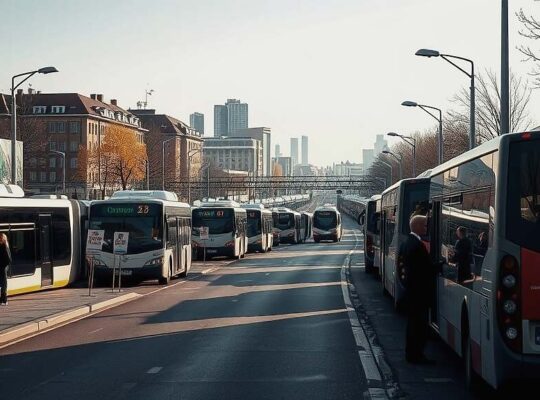
The possibility of escalating action, including strikes, has not been ruled out. Werneke alluded to Verdi’s demonstrated capability to disrupt services through targeted industrial action, citing recent examples in Berlin and Frankfurt. While the extent of future protests will depend on the progress of negotiations, the warning serves as a clear indication of the unions’ resolve to secure meaningful improvements for their members. The exclusion of Hesse state from the current round of negotiations further complicates the landscape, potentially creating regional disparities and highlighting the challenges facing national-level bargaining.
The current impasse underscores a broader political dilemma: balancing fiscal prudence with the vital need to retain and attract essential public sector workers and ultimately safeguarding the delivery of crucial services to the German populace.