Mounting Pressure on EU to Offer Asylum Within Iranian Embassies
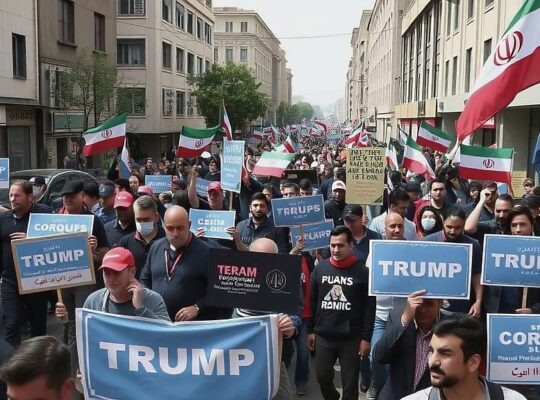
A growing chorus of European political voices is demanding a radical shift in the bloc’s response to the ongoing protests in Iran, proposing a controversial strategy of transforming EU embassies into safe havens for demonstrators and dissidents. The call, spearheaded by European People’s Party (EVP) Chairman Manfred Weber, reflects a rising frustration with the current approach and a desire to offer more tangible protection to those facing persecution at the hands of the Iranian regime.
Weber’s proposal, delivered to Bild newspaper, suggests opening all remaining EU embassies in Iran to provide refuge for individuals targeted by the government’s escalating crackdown on dissent. He argued that such a move is essential to shield peaceful protestors from the “terror regime” and underscored Europe’s unwavering support for the Iranian people’s struggle. “We must protect them from the terror regime” Weber stated, signaling a significant escalation in the political rhetoric surrounding the Iranian crisis.
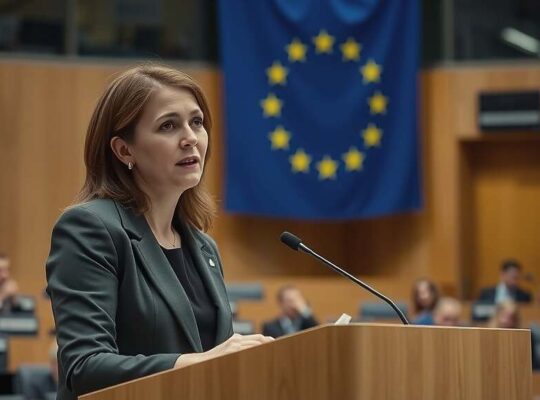
The initiative follows similar calls for stronger action, previously articulated by European Parliament President Roberta Metsola, who has already implemented a ban on Iranian officials accessing the EU Parliament. Metsola’s demand for increased support for the protests highlights a broader sentiment within the EU that current diplomatic efforts have been insufficient to address the brutal suppression of dissent.
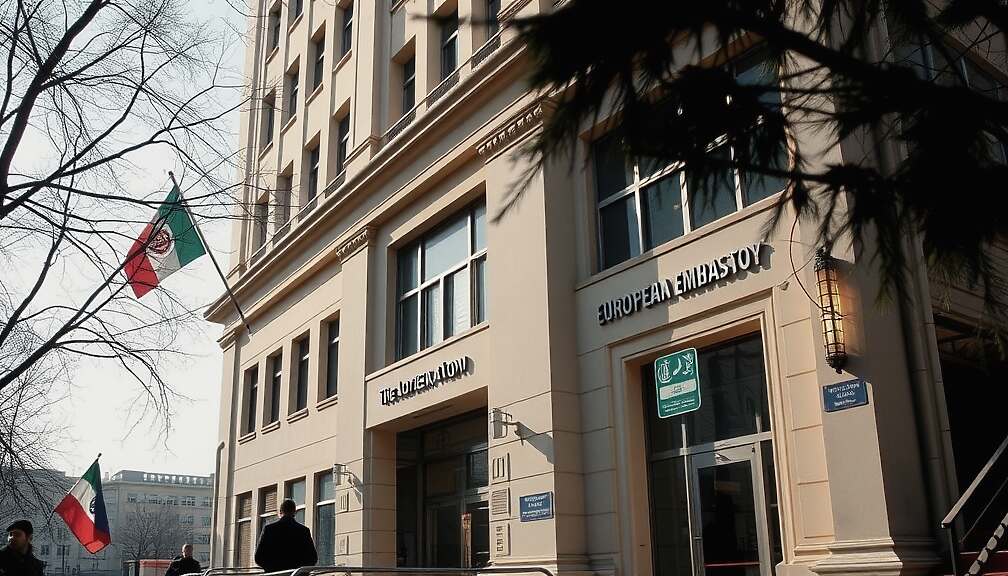
However, the proposal to utilize embassies as shelters raises complex and potentially perilous logistical and security concerns. It would require significant reassessment of embassy protocols and a willingness to confront direct confrontation with the Iranian authorities. Analysts caution that such a move risks triggering a severe diplomatic crisis and potentially compromising the safety of embassy staff.
Critics also question the practical viability of offering widespread sanctuary and the potential for the scheme to be exploited by the Iranian government to discredit the protest movement. While acknowledging the humanitarian imperative, some political observers argue that the focus should remain on utilizing targeted sanctions and international legal avenues to pressure the regime and hold those responsible for human rights abuses accountable.
The debate exemplifies the internal struggle within the EU on how to best respond to the Iranian crisis, balancing diplomatic pragmatism with an increasingly urgent need to offer concrete support to those facing oppression within the country. The prospect of EU embassies becoming beacons of hope, or potential flashpoints of conflict, hangs precariously in the balance.