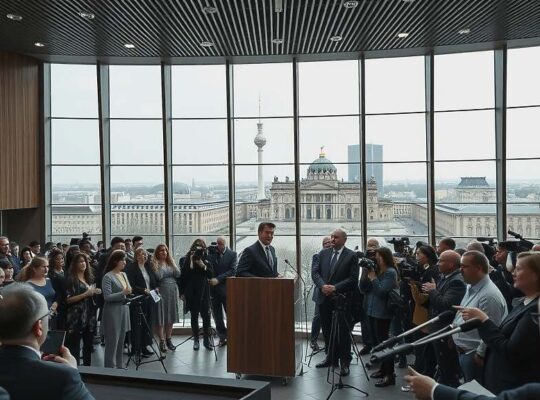
President Volodymyr Zelenskyy commenced a whirlwind diplomatic tour of Berlin on Monday, initiating a series of high-level engagements aimed at fostering renewed momentum in the ongoing Ukraine conflict. The visit, marked by stringent security measures, underscores the escalating urgency surrounding the war and the efforts to cultivate broader international support for Kyiv’s position.
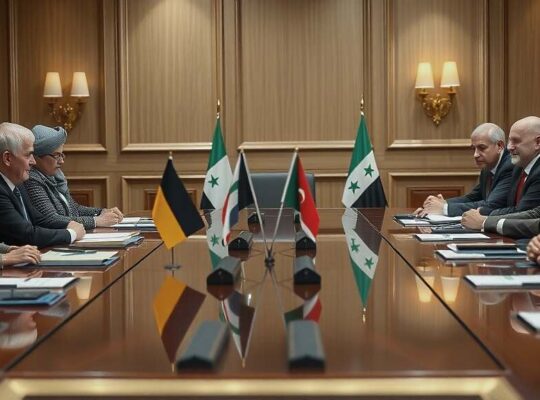
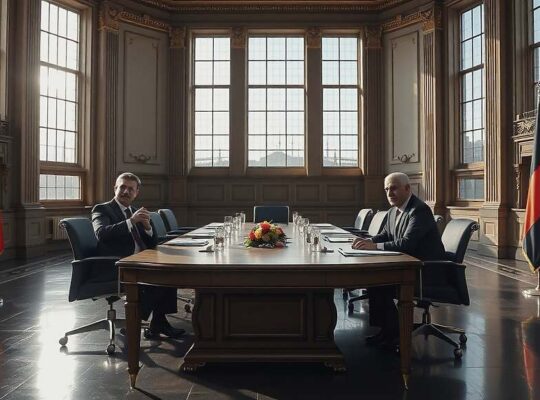
President Zelenskyy was received by German President Frank-Walter Steinmeier at Bellevue Palace, signaling the start of a densely packed schedule. Subsequent meetings included a session with Bundestag President Julia Klöckner, followed by participation in the 8th German-Ukrainian Economic Forum. The afternoon is slated for a crucial exchange with German Chancellor Friedrich Merz, significantly amplified by the inclusion of a constellation of European leaders: French President Emmanuel Macron, Polish Prime Minister Donald Tusk and UK Labour Leader Keir Starmer, alongside European Commission President Ursula von der Leyen and NATO Secretary-General Mark Rutte. This assemblage suggests a concerted effort to coalesce a unified front in addressing the complexities of the crisis.
The visit’s heightened importance is arguably reflected in the clandestine preliminary discussions that transpired on Sunday evening. President Zelenskyy reportedly met with US Special Envoy Steve Witkoff and Jared Kushner, Trump’s son-in-law, at the Chancellery, with Witkoff later claiming “significant progress” had been achieved. This discreet engagement, seemingly separate from the scheduled official talks, raises questions about potential back-channel negotiations and the nature of the compromises being explored.
Chancellor Friedrich Merz had previously expressed hope that Berlin would serve as a venue for a “definitive” discussion of paths toward ending the war. However, the inclusion of figures like Keir Starmer-whose perspectives on the conflict may differ substantially-introduces a complex dynamic to these conversations.
A palpable sense of precaution surrounds the visit, with Berlin authorities implementing the highest security level. Extensive road closures and transportation disruptions, including the shutdown of the Bundestag to visitors and alterations to public transport routes, demonstrate the gravity of the situation and the potential for unrest or security threats. The unusual degree of security is a stark reminder of the precarious geopolitical landscape and the vulnerability inherent in high-profile diplomatic events amid a protracted armed conflict. Speculation is rife regarding the specific proposals being put forward and the ultimate feasibility of bridging the vast chasm between warring factions.