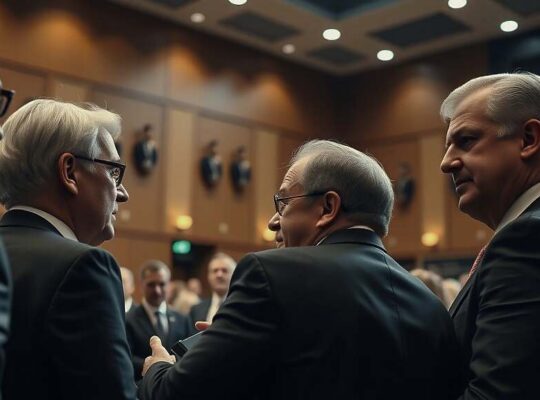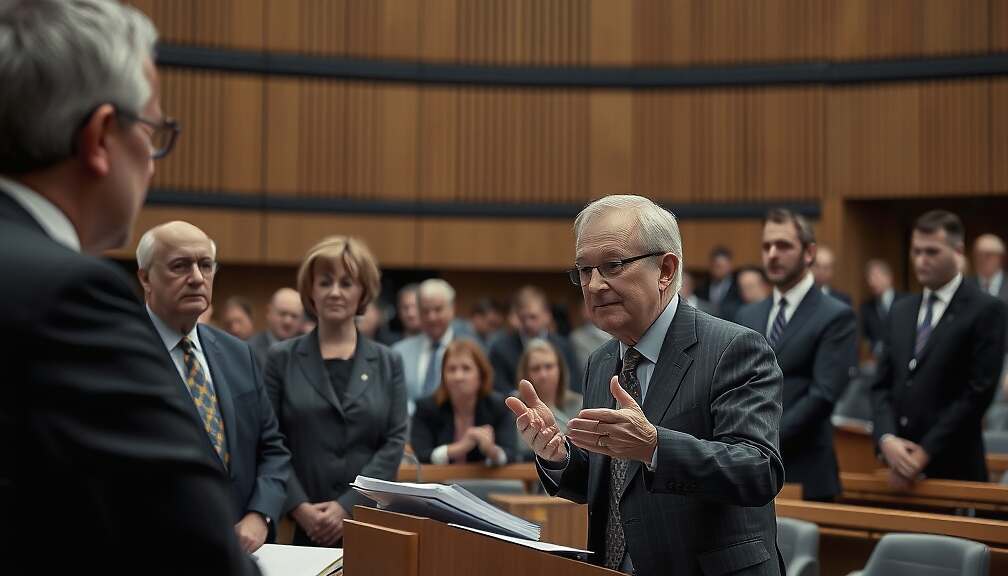
During the official state ceremony in the Bundestag, Chancellor Friedrich Merz honored the life work of the late former parliamentary speaker Rita Süssmuth (CDU). In his speech he praised her “unremitting” commitment to a life that upholds human dignity and her habit of rigorously testing claims to knowledge and authority. Merz said Süssmuth’s legacy reminds us that the freedom and self‑realization of all people must be nurtured.
Merz called her an “exceptional politician” who defined Germany’s national identity as its first Minister for Women, a leading education policymaker and, from 1988 to 1998, the Bundestag’s President. He noted that she continually championed modern family policy and the balance between work and family life, often being ahead of her time on many issues.
Recounting her role as a “passionate European” Merz highlighted that Süssmuth had pushed forward German‑Polish reconciliation. Though her voice will be missed, he declared that her political heritage remains a pledge to take people’s concerns seriously and to work toward fair educational institutions.
Süssmuth passed away on 1 February at the age of 88 in Neuss. The ceremony, attended by her family, representatives from all branches of government, close colleagues and other invited guests, marked her 35‑year tenure in the German Bundestag (1987‑2002) where she represented the Lower Saxony constituency of Göttingen. Between 1988 and 1998 she served as the parliament’s President, and earlier, from 1985 to 1988, she was federal minister for youth, family, and health.
Parliament speaker Julia Klöckner (CDU) referred to Süssmuth as one of the “most influential politicians and personalities in post‑war German history” noting that she opened debates and demanded accountability on uncomfortable topics long before they entered mainstream politics.