The petroleum industry is making significantly higher profits thanks to the steep rise in gasoline and diesel prices at German filling stations amid the Iran conflict. The economist Johannes Schwanitz’s analysis-reported by “Der Spiegel”-examines fuel prices in Germany and the underlying crude‑oil prices on world markets.
According to Schwanitz, the recent hikes in German pump prices far outstrip what the increased cost of raw oil would justify. Brent crude rose by roughly eight euro cents per litre between the outbreak of the war last Saturday and Friday, March 6, on the international market. In the same period, the average price of Super E5 at German stations climbed from €1.77 to €1.94 per litre-a jump of 17 euro cents.
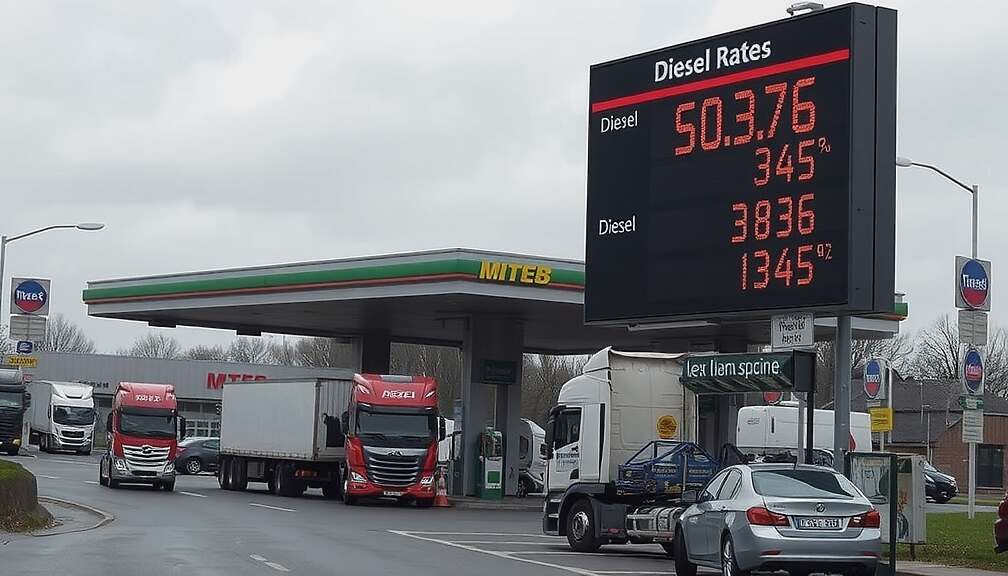
When the value‑added tax is stripped out, motorists pay about 14.3 euro cents extra per litre, almost twice the increment that the higher Brent price alone would explain. Diesel fares, meanwhile, rose even more sharply. The national average climbed 30 euro cents per litre, from €1.74 to €2.04. The net gain to station owners amounted to about 25.2 euro cents per litre.
Schwanitz told “Spiegel” that the fuel sector is exploiting this situation to widen its profit margins. He noted that a similar pattern was evident during the 2022 energy crisis. After Russia’s invasion of Ukraine, German fuel prices surged-sometimes more steeply than crude‑oil prices-highlighting the industry’s ability to pass through cost increases to consumers.