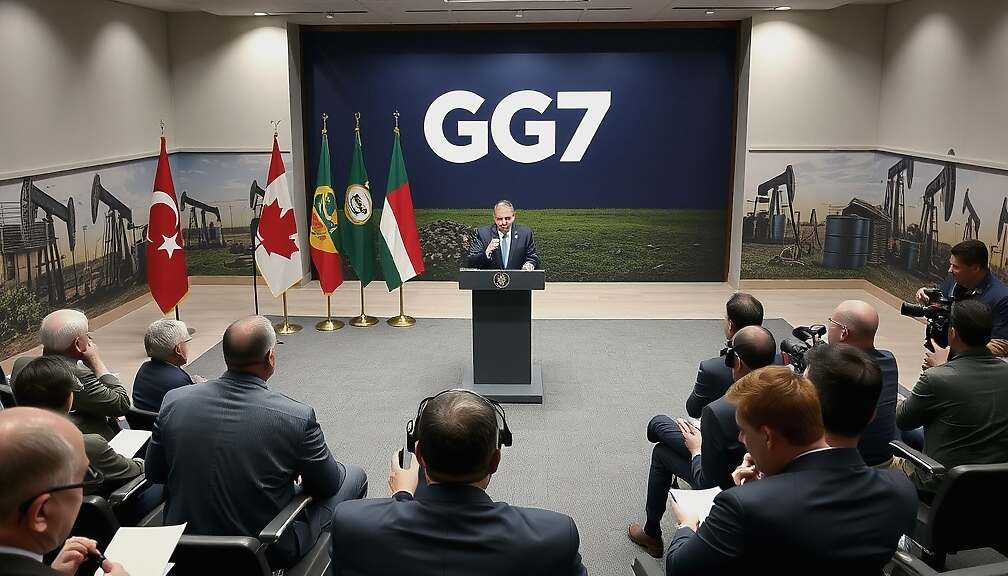
Facing the volatile conditions in energy markets, Monika Schnitzer, chair of the Advisory Council for the Economy, has called for the release of the G7’s strategic oil reserves. “The G7 oil reserves were set up precisely for such crisis situations, so that intervention can be made in the event of severe supply disruptions” she told the German editorial network. During earlier crises the reserves were deployed to raise supply quickly and stabilize prices, she added. “It is therefore logical to consider doing the same now”.
Schnitzer stressed that the reserves are limited in scope. They cover about 90 days of net imports, meaning they can smooth short‑term price spikes but cannot counter long‑term price increases. “So the goal is to offset short‑term price peaks, not to neutralise a sustained rise” she explained.
Economy Minister Gabriel Felbermayr also urged a review of political measures to mitigate the economic impact of the Iran conflict. “For example, we should consider drawing on strategic reserves in oil and gas” he told the “Tagesspiegel”. “If coordinated and released into the market, this would briefly increase supply and push prices down”.
Many OECD members maintain such reserves. Germany holds only the statutory minimum of roughly 23 million tonnes of oil and essentially no gas stocks, whereas Austria does keep strategic reserves. Felbermayr noted that only coordinated actions-particularly with the United States-would matter; actions by individual states would hardly influence the global market.