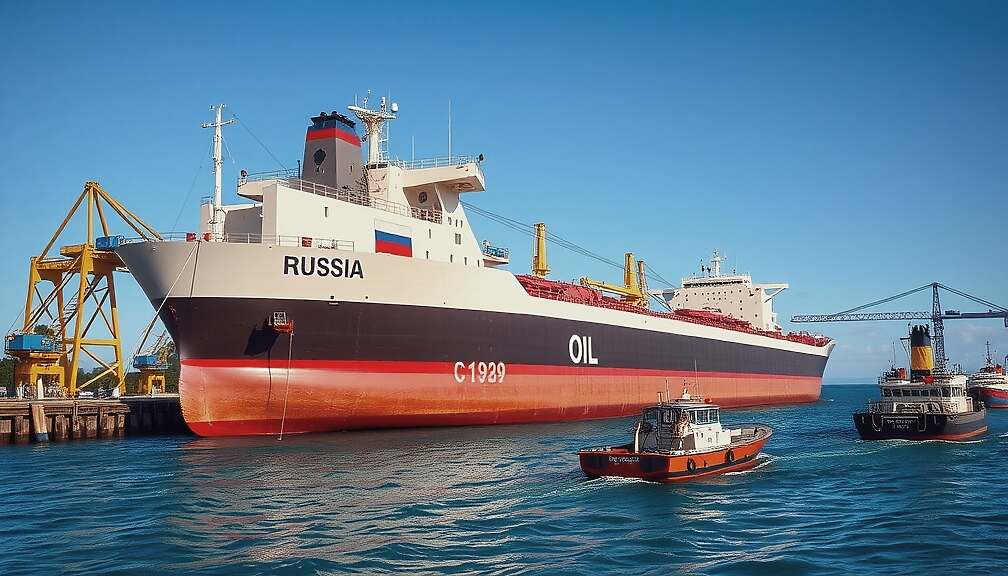
After the United States imposed an oil blockade against Cuba, a Russian oil tanker appears to have finally reached its intended destination. The vessel, named “Anatoly Kolodkin” and carrying 730,000 barrels of crude oil, reportedly entered the port of “Matanzas” on Cuba’s western coast, according to Russian state media.
Earlier, U.S. President Donald Trump had suggested that the United States might allow the tanker into Cuban waters. Speaking aboard Air Force One to journalists, Trump said he had no objection to any country supplying oil to Cuba, noting that Cubans “need to survive”. He added that it was irrelevant whether the oil came from Russia or another country.
Cuba’s oil supplies had halted after the U.S. arrested Venezuelan President Nicolás Maduro in January, cutting off Venezuelan shipments. Deliveries from other nations, such as Mexico, were also stopped when the Trump administration threatened additional tariffs. The effective blockade caused frequent power outages, garbage pile‑ups in Havana, and strained hospitals that struggled to treat patients and keep operating rooms open.
The impact of this latest oil delivery remains uncertain. The German Foreign Ministry was initially unable to evaluate the situation on Monday. A spokesperson for the ministry told the dts news agency that, “at this time, I cannot assess whether the cargo of such a tanker could improve the local situation”. She also could not determine how, if at all, the shipment might affect Russia’s budget, which depends heavily on energy exports that in turn finance the Russian war effort against Ukraine.
The spokesperson did note that the conditions for the Cuban people are undeniably difficult, and highlighted humanitarian concerns. She explained that mechanisms such as the United Nations CERF (Continued Humanitarian Assistance to the People of Cuba), in which Germany makes a significant contribution, remain pertinent for ensuring aid to the population.