The European Commission has proposed new measures aimed at reducing reliance on fossil fuels. Commission President Ursula von der Leyen stated Wednesday that the “Accelerate EU” strategy is set to deliver both immediate and structural relief for European citizens and businesses. She emphasized the necessity of accelerating the transition to domestic, clean energy sources, noting that this will grant energy independence and security, thereby enabling better resilience against geopolitical turbulence.
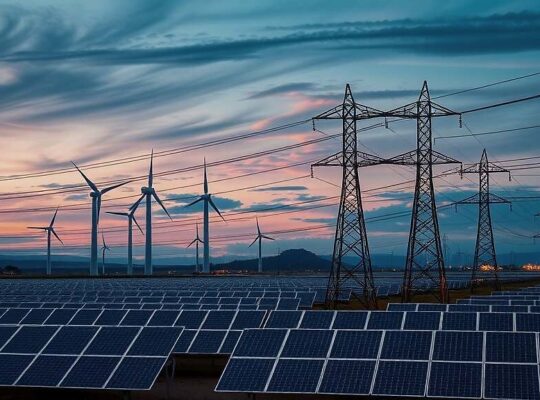
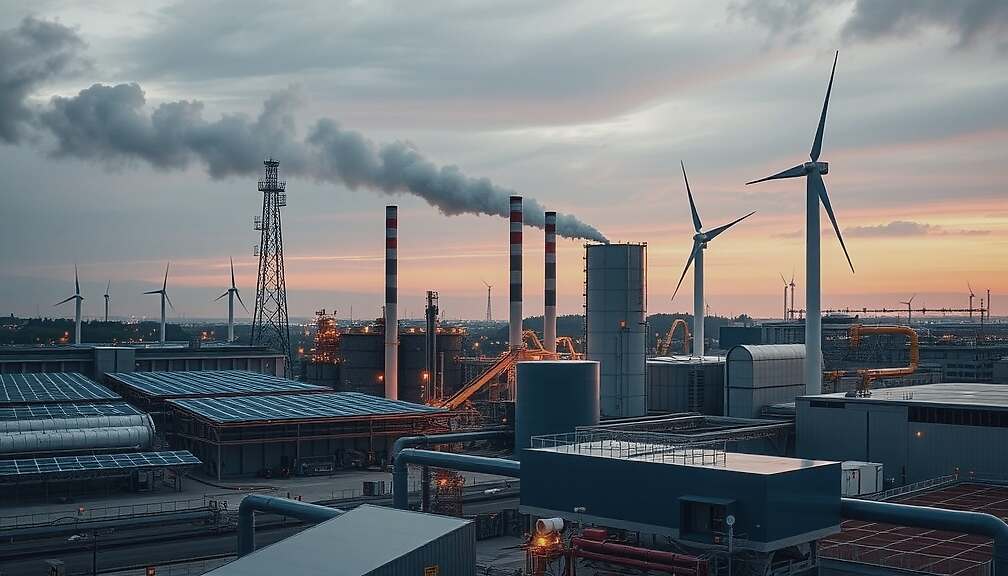
By the summer, the Commission plans to present an action plan for electrification. This plan is expected to include an “ambitious electrification target” alongside measures designed to remove hurdles blocking the electrification of the industrial, transport, and building sectors. Furthermore, the Brussels authority intends to expedite negotiations on the European grid package. The plan also involves modernizing major wind parks and renewable energy facilities, underpinned by a legislative proposal for grid fees and electricity taxation, ensuring that electricity will be taxed less heavily in the future compared to fossil fuels.
To mitigate the current crisis, the EU Commission aims to adopt a temporary framework for state aid. This will grant national governments additional flexibility to support the economic sectors most severely affected. For consumers, protections against price spikes are anticipated through the introduction of targeted income support programs, energy vouchers, and social leasing schemes, along with reductions in electricity consumption taxes for vulnerable households.
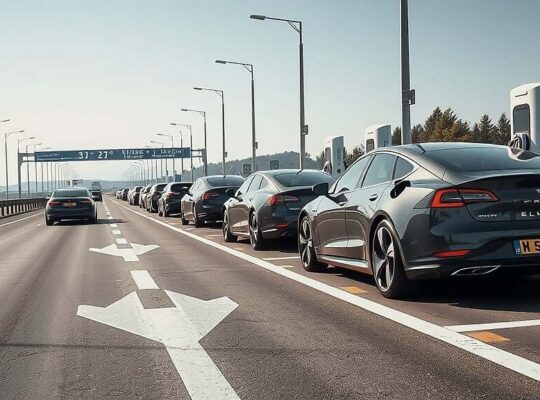
The German Environmental Association (DUH) praised the initiative as a brave step. The DUH’s Federal Director, Sascha Müller-Kraenner, contrasted the Commission’s approach with the current German government’s policy, stating that while the national government favors outdated strategies-making oil and gas heating systems palatable, protecting internal combustion engines, and slowing the development of renewables-the Commission is focusing on boosting heat pumps, energy efficiency renovations, public transport, and electric mobility. He concluded that with the “Accelerate EU” program, the European Union is demonstrating what a forward-thinking energy policy can look like.
Müller-Kraenner urged the Federal Minister of Economics, Katherina Reiche, to take notice of these developments and abandon her regressive energy policies amidst the current fossil fuel crisis. He stressed the urgent need for genuine solutions that enhance independence from the whims of world markets and geopolitics, calling on the German government to fundamentally realign its energy and transport policies in response to the EU’s impetus.