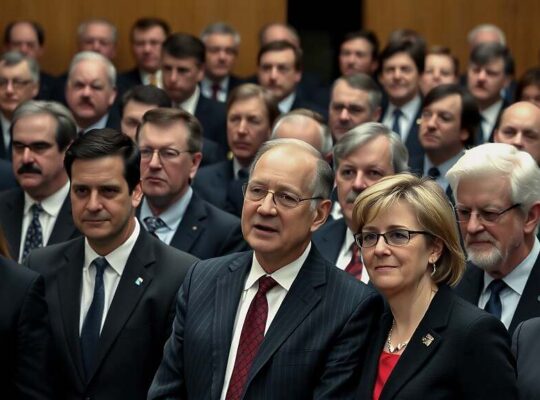
Hartmut Schwab, the president of the Federal Chamber of Tax Advisors, is calling for a fundamental simplification of Germany’s tax laws, even questioning several popular tax incentives in the process. Speaking to the “Welt” Schwab emphasized that the country should aim for lower taxes universally, rather than implementing targeted benefits for certain groups. For example, he stated that he would abolish the commuter tax allowance during a tax reform, suggesting that politicians must be prepared to handle the inevitable backlash.
Schwab also questioned the tax bonus designed for services rendered by craftsmen. He doubts that the removal of this tax deduction would actually reduce the number of handyperson jobs booked. According to his perspective, many existing regulations primarily create “withtake effects” ultimately requiring the general public to bear the financial burden.
Furthermore, Schwab expressed skepticism regarding the success of the “investment booster” introduced by the federal government last summer to stimulate the economy. He does not believe that clients are making extra investments solely because of the enhanced depreciation benefits. Instead, he suggests that accelerated depreciation is most likely to be used when investments were going to happen regardless, implying that the overall growth effect of the measure is likely minimal. Similarly, he stated that the tax incentives for commercial electric cars were either redundant or unnecessary, noting that many clients would have opted for leasing or not purchased a vehicle at all.
Despite acknowledging the urgent need for significant tax reform, Schwab remains doubtful about the black-red coalition’s ability to achieve it. While he personally desires a major overhaul of the tax system, he considers a real reform unlikely given the current political climate. He suggested that true reform would only be possible if the governing parties were willing to set aside their core principles and consider the bigger picture.