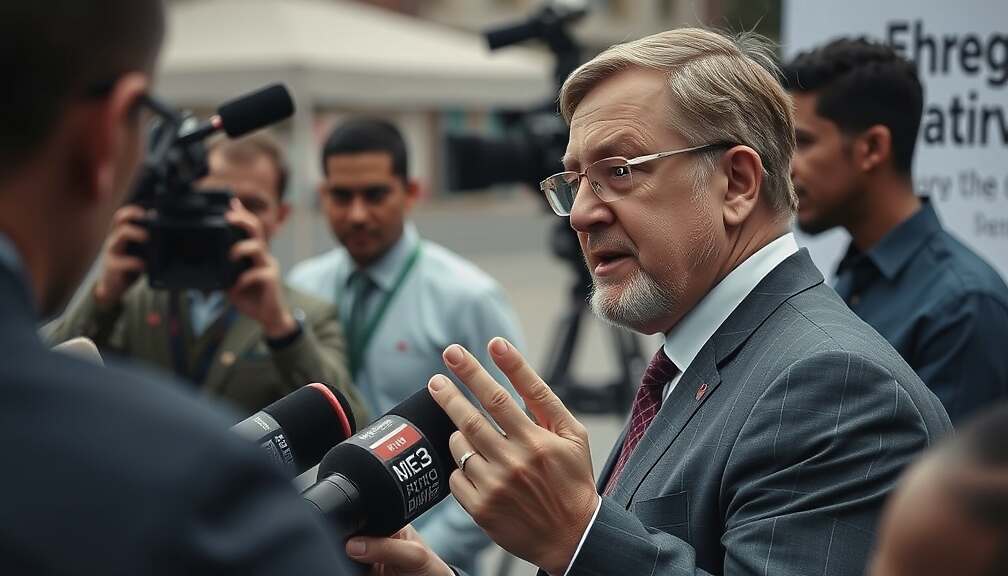
Minister of Development Reem Alabali Radovan (SPD) stated that development policy globally는 is currently undergoing a major transformation. According to the “Rheinische Post” significant global players are reorienting their strategies. She noted that China treats development cooperation as a strictly commercial venture, while the United States, since dissolving its development agency USAID in early 2025, has begun favoring deals that promise rapid, self-generated returns.
The Minister expressed concern over this commercial focus, arguing that it is too shortsighted. She emphasized the critical need to focus on stability, resilience, and prevention. She added that preventing disease outbreaks in other parts of the world, providing prospects for refugees in their home regions, or strengthening fair economic cooperation ultimately contributes to global security and the German economy.
Radovan also addressed the fallout from the conflict in Iran. She highlighted that the blockade of the Strait of Hormuz has severe and far-reaching consequences, particularly for poorer nations in the Global South. For many people there, basic foodstuffs are becoming unaffordable, and the lack of fertilizer threatens the next crop cycle, as 20 to 30 percent of fertilizer exports pass through that waterway. The World Food Programme has thus warned that up to 45 million people could lose access to sufficient nutrition. She expressed that the gravity of the situation has not yet been widely acknowledged and stressed that every day the blockade continues worsens the crisis, requiring all diplomatic efforts to resolve the situation immediately.
When questioned about the budgetary cuts, Alabali Radovan stated that it is crucial for Germany to maintain its reliability. She has therefore initiated a reform of German development policy to ensure that maximum impact can still be achieved despite limited resources. However, she conceded that the proposed cuts are painful, especially considering the additional global crises, such as the situation in Iran, suffered last year, and the withdrawal of key donors like the United States.
Moving forward, the Minister announced plans to make development cooperation “future-proof” through the reforms. A key area of focus will be food security. One proposal is a school meal program aiming to reach 100 million children by 2030. Moreover, she committed to maintaining involvement in the reconstruction efforts in Ukraine and Syria, and potentially in Gaza. She also plans to strengthen partnerships with the Global South by working together on an equal footing, a goal that will be formalized by establishing a development policy North-South Commission.