Michael Schöllhorn, head of the Airbus Defence and Space division, has stated that if the joint European project FCAS (Future Combat Air System) fails to reach an agreement with France, he supports the development of a new German fighter jet.
While commenting to Spiegel, Schöllhorn expressed confidence that FCAS is not destined for failure. He emphasized that the system is much broader than just the fighter aircraft itself, consisting of seven interconnected components. These components include unmanned aerial vehicles and the “Combat Cloud” a sophisticated software network that digitally links all parts of the combat system. Schöllhorn argued that current difficulties stem from poor cooperation across the pillars, rather than the failure of a single element. Because of this, he believes that discussions must openly consider alternatives to the collaborative fighter jet approach.
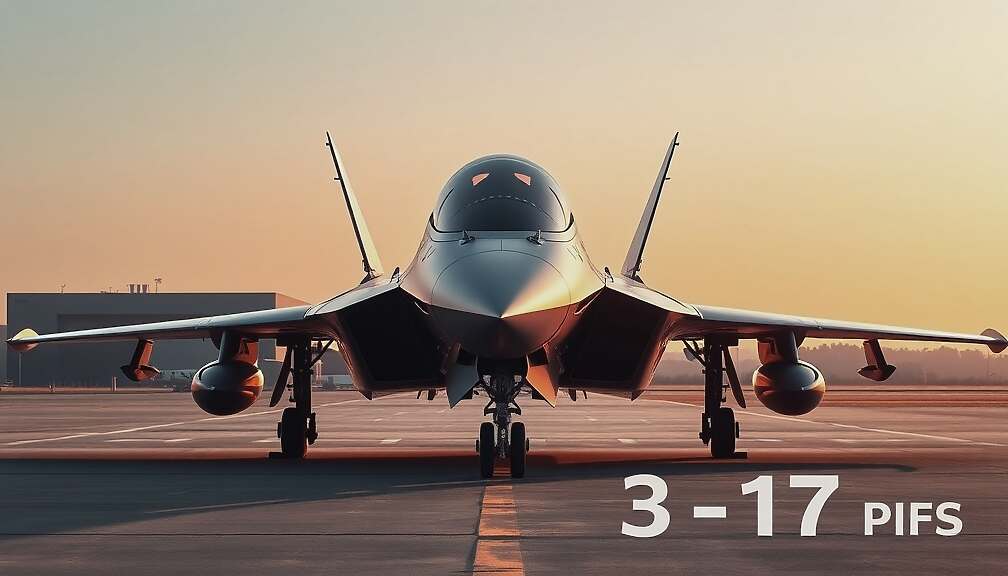
The senior manager reiterated the necessity of maintaining FCAS, which must include a 6th generation, manned aircraft. He added that if collaboration with Dassault proves impossible, the project must find a path through another European partnership.
The conflict between Germany and France regarding FCAS has deepened over recent months. There is ongoing friction over the leadership role for the fighter jet component, with the French conglomerate Dassault positioning itself as the leader. Meanwhile, Airbus has expressed concerns that Dassault’s approach deviates from previous understandings. Furthermore, both the German and French armed services appear to hold varying views regarding the required capabilities that the future aircraft must possess.
Schöllhorn also voiced worry over the growing rise of nationalism within defense policies. The Airbus manager observed a strong emphasis on purely national champions, reminding listeners that the ultimate goal must be European sovereignty. He expressed concern about “tendencies toward national fragmentation”. While acknowledging common pressures-such as national defense budgets, time constraints, and political necessity to demonstrate how much money returns to their own country-he cautioned that this increasing nationalistic pressure is “not healthy”.