The commission tasked with reforming Germany’s debt brake is attempting a final rescue effort. According to the “Handelsblatt”, the commission has developed a concept for a “flexible” debt brake. This proposal, referred to within the commission as “FinanzpfadPlus” aims to ensure that public debt will predictably decline toward the 60 percent target.
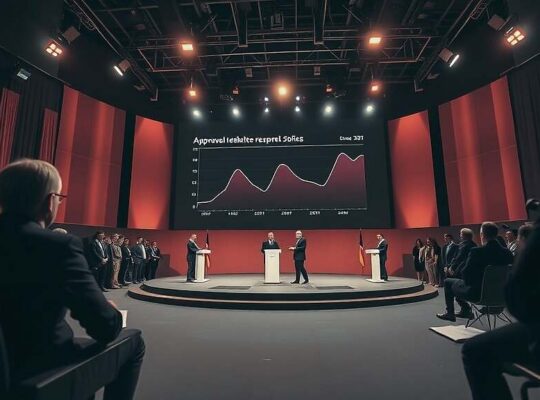
In simplified terms, the future allowable budget deficit will depend on various factors, such as the overall level of public debt, economic growth, and defined targets for debt reduction. This relationship will be determined by a mathematical formula that establishes a changing ceiling for the annual deficit. The rule dictates that when overall national debt is high, the government must maintain a small deficit; conversely, if the national debt is low, a larger deficit should be permissible.
Both the CDU/CSU (Union) and the SPD had previously agreed in coalition negotiations to reform the debt brake. Following this agreement, Federal Finance Minister Lars Klingbeil (SPD) commissioned the expert commission last summer. The commission agrees that the debt brake, in its current form, does not ensure stable public finances. Therefore, it plans to gradually phase out the exemption for defense spending from the debt brake, although the speed of this reduction is still a point of contention. Furthermore, the commission intends to strengthen the monitoring of public finances and is suggesting new transitional rules for when the federal government must suspend the debt brake during an emergency.
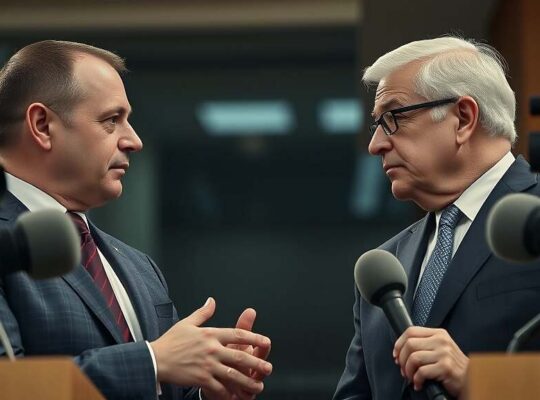
However, the experts remain divided on the critical matter of determining the maximum permissible levels for public debt and budget deficit. Representatives of the Union are pushing for a concrete framework that mandates a reduction in national debt toward 60 percent by the middle of the decade, and they want this provision codified in the constitution. In contrast, the SPD representatives are resisting, advocating for several key investments to be exempted from the debt brake. Despite these fundamental disagreements, neither side has yet found a solution to this core conflict while developing the new concept.