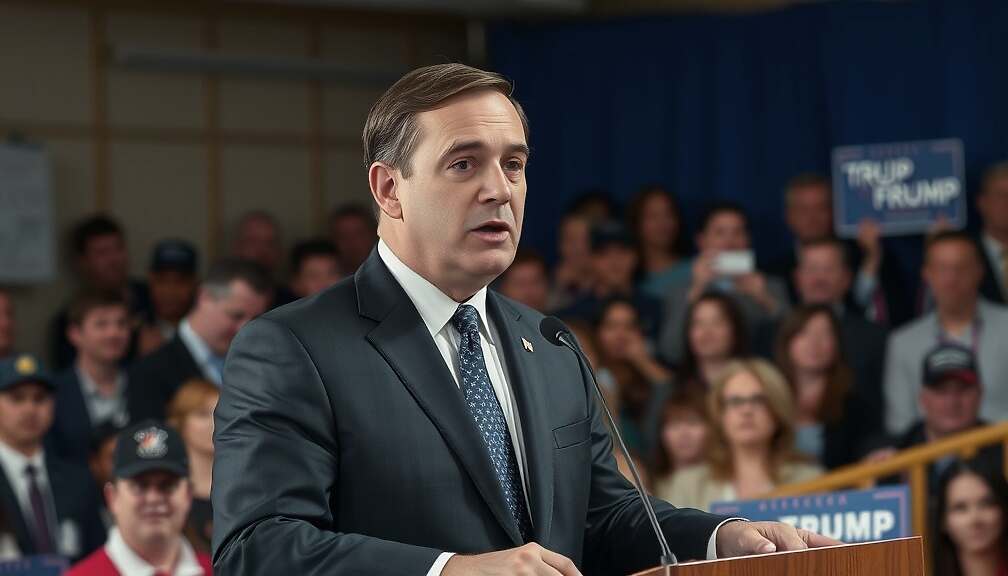
Armin Willingmann, SPD’s top candidate for Saxony-Anhalt, has affirmed his support for maintaining minijobs as an option for students, while simultaneously backing the general concept proposed by the Pension Security Commission. The commission suggested widely shifting minijobs into standard, social insurance-mandated employment to bolster personal pension rights and increase the number of contributors.
Willingmann stated to publications from the Funke media group that minijobs were an appropriate measure during a time of higher unemployment, but he noted that the current economic conditions have changed, marked by an enormous demand for skilled workers. Consequently, he believes the commission’s proposal-to gradually move minijobs into regulated employment-is fundamentally correct. However, he emphasized that transition phases, particularly in sectors like trade, gastronomy, and other service industries, would be necessary.
Despite supporting the reform in principle, Willingmann maintained that the current regulations must remain in place for students. From his perspective, those who work permanently should ideally be in socially insured positions to build personal pension rights. However, he added that students are just starting their careers. For them, preserving the ability to keep a large portion of their supplemental income net is crucial during their studies, since they still have many decades ahead to accrue pension credits.
Willingmann also cautioned against the potential negative consequences of eliminating student minijobs. He warned that doing so could push necessary side income into the shadow economy or informal employment. This warning comes amid discussions regarding the scheduled BAföG reform, which involves increasing need-based rates, expected only next year.
The broader proposal from the Pension Security Commission aims to strengthen personal retirement funds and boost contributors, offering exceptions for various groups, including pupils. This suggestion has ignited a significant political debate. While various industrial associations have voiced warnings about potential burdens on the trade and gastronomic sectors, perspectives within the coalition parties are varied. Though Willingmann supports the reform generally, he demands a permanent exception for students. This stance mirrors that of fellow SPD member Annika Klose; meanwhile, Chancellor Friedrich Merz (CDU) and CSU leader Markus Söder have indicated that the minijob plans require further discussion.