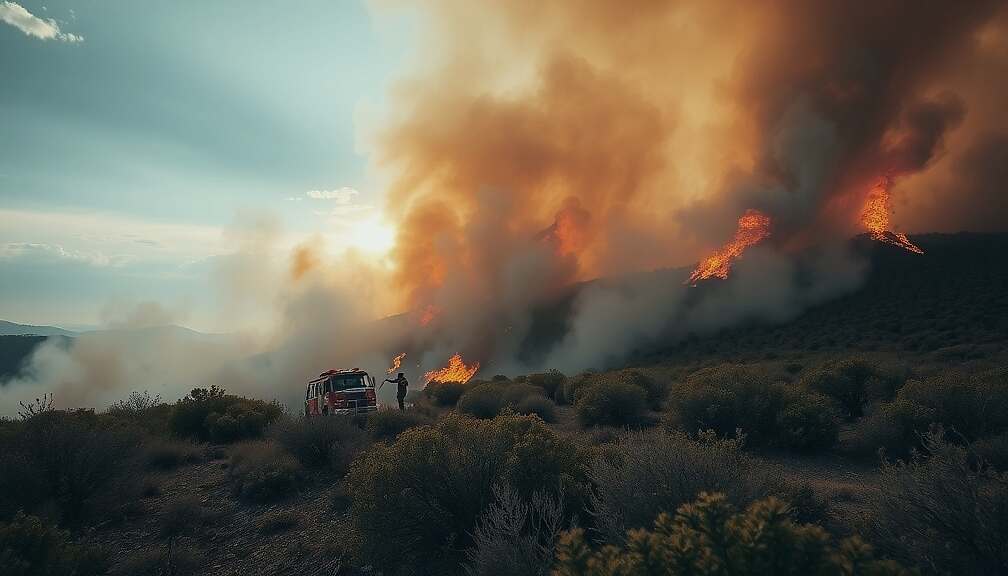
Devastating wildfires continue to rage across Southern Europe. While Portugal is also affected and residents of the Greek island of Paros are being evacuated, France and Spain have reported some initial successes in battling the flames. However, the potential arrival of another heatwave threatens to complicate these ongoing efforts.
In the French department of Gironde, the fire was stabilized on the night of Wednesday. So far, approximately 42,000 hectares have burned, leading to the evacuation of 220,000 people. Twelve firefighters have sustained injuries since the wildfire began. Furthermore, rail transport remains disrupted south of Bordeaux. The fires also posed a threat to the military camp Souge and related weapon production facilities west of Bordeaux, though hazardous materials have reportedly been removed from the area while firefighters continue their efforts at the scene.
Conditions are expected to worsen for emergency responders starting Wednesday. The French weather service has issued heat warnings for 30 departments, predicting temperatures of up to 42 degrees Celsius, and advises extreme caution.
In Spain, the threat of the fourth heatwave this summer is expected to exacerbate the situation. Emergency crews are actively battling fires across the regions of Madrid, Ávila, Toledo, Castellón, and Almería. This year, over 173,000 hectares have burned, compared to 29,817 hectares during the same period in 2025. Notably, the area burned between Ávila, Toledo, and Madrid alone exceeds 77,000 hectares. The fire in the Madrid region stopped spreading overnight, and roughly 24,000 people are now able to return to their homes. Similarly, around 9,000 residents of Castellón and about 6,000 from 11 municipalities in Toledo have been cleared to return.
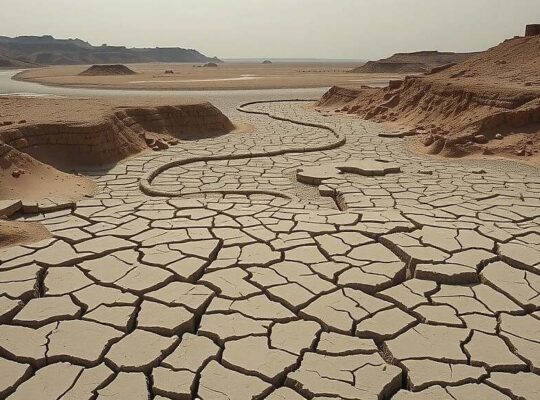
Drawing a direct link between wildfires and climate change is difficult, given that reliable data on wildfires is scarce in many world regions, and factors such as land management and deliberate arson play roles. Nevertheless, high-risk fire weather-or “fire weather”-has increased globally. In Southern Europe, Northern Eurasia, the United States, and Australia, the causality linking this trend to global warming is clear, evidenced by the increased probability of fires and the overall expanse of burned land. Global warming will continue unless greenhouse gas emissions are reduced, particularly those resulting from the burning of coal, oil, and gas.