Climate change is increasing the likelihood of converging factors that foster extreme wildfire conditions in both France and Spain. This conclusion comes from a newly published study by the initiative “World Weather Attribution.” The research indicates that the probability and severity of wildfires are rising in both regions due to global warming.
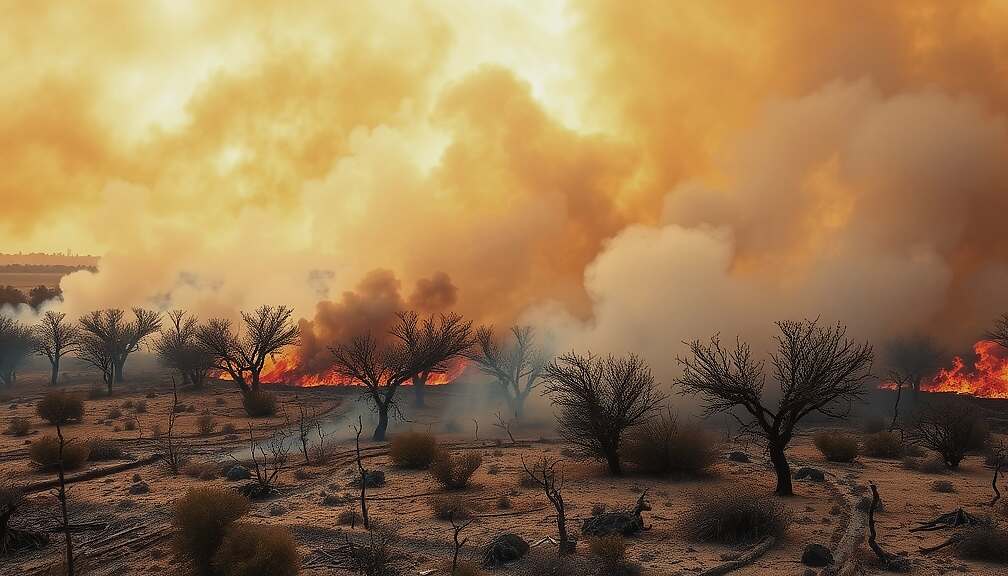
Scientists analyzed the conditions leading up to the fires observed in southwest France and central Spain in July 2026. They utilized an index that summarizes how specific weather conditions influence wildfire probability, focusing particularly on factors that create dry and easily ignitable materials.
The study revealed that conditions as extreme as those seen in central Spain in July 2026 are now at least 20 times more likely than they were in the pre-industrial climate. For France, the increased probability was determined to be at least double.
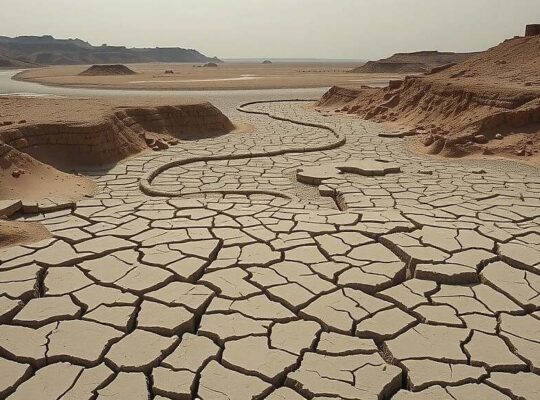
A steadily growing factor contributing to wildfire risk across Western Europe is the transition from a moist winter to a dry spring-a pattern that is becoming increasingly common due to climate change. According to the scientists, above-average precipitation during the winter led to high soil moisture and encouraged plant growth. However, this was subsequently followed by unusually dry and warm conditions, causing grasses to desiccate and creating fine fuels. In addition, the combination of drought and heat exacerbated water stress in shrubs and pines. Collectively, these factors significantly increased the probability of fire outbreaks and rapid fire spread.
The researchers noted that under current climatic conditions, extreme fire conditions are no longer rare. While rapid adaptation to climate change is crucial, they cautioned that there are limits to adaptation efforts. To prevent a further rise in wildfire risk, they stressed the necessity of quickly phasing out fossil fuels.