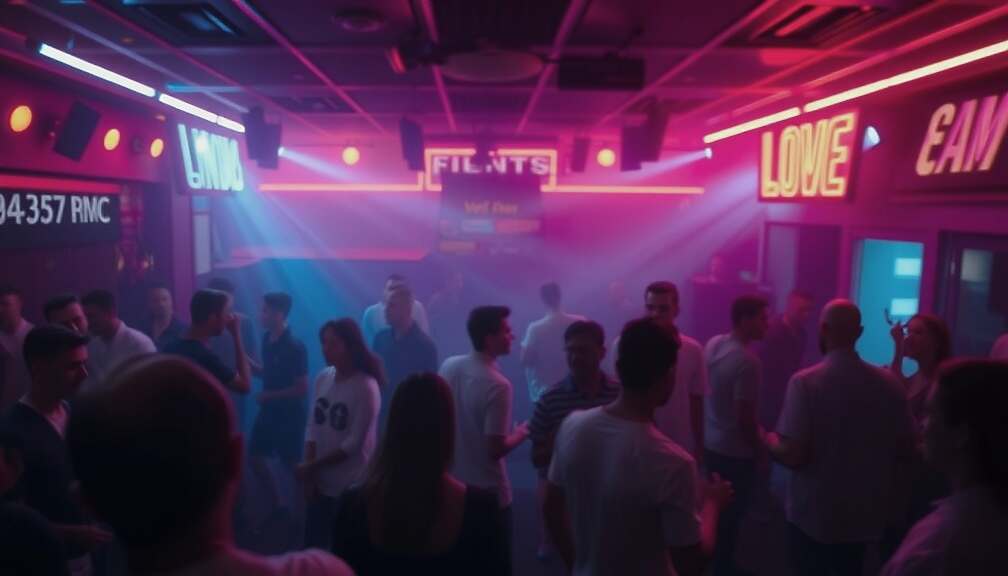
Dr. Motte, co-founder of Loveparade, sharply criticized the societal impact of alcohol, particularly within club culture. Calling himself Matthias Roeingh (his civilian name), the DJ asserted that “alcohol is one of the strongest drugs on this planet,” arguing that it causes people to become uncontrollable and ultimately destroys society. He maintained that techno culture itself is not synonymous with alcohol.
Motte believes that clubs should serve as protected spaces, areas where people who are intoxicated do not fit in. However, he rejects the idea of a complete ban. Instead, he advocates for education and awareness, stating that a prohibition is unworkable. He noted that while warnings can be placed on products, the situation with alcohol is significantly more complex because it is so deeply embedded in society, reaching every street corner with drug dealers. Given that the byproducts of alcohol are carcinogenic and remain in the body, he maintains that alcohol is unequivocally harmful.
When asked about strict, exclusionary policies at venues like Berghain, Dr. Motte noted two perspectives. Firstly, techno is meant to be accessible to everyone. Secondly, clubs must function as secure sanctuaries for individuals engaging in activities that are not intended for public view-a place where intoxicated individuals simply do not belong.
Motte criticized the lack of understanding regarding the value of techno culture within political circles. He pointed out that studies have shown club culture in Berlin to be the most critical economic factor, and in Germany, the second most important. He claims that for every euro the state invests in this culture, it recoups at least €3.50 through taxes. Furthermore, Berlin’s techno culture has been recognized as intangible UNESCO Cultural Heritage since March 2024. He emphasized that official action must follow this recognition. He stressed the need for adjustments in commercial, construction, and noise protection laws to ensure the culture can continue. Currently, he noted that this is undermined by investors threatening properties like the RAW site in Berlin-Friedrichshain, where various clubs and socio-cultural projects are located, while the government pushes forward with the A100 construction, which is forcing the displacement of 16 cultural locations-he described this as sheer tax waste.