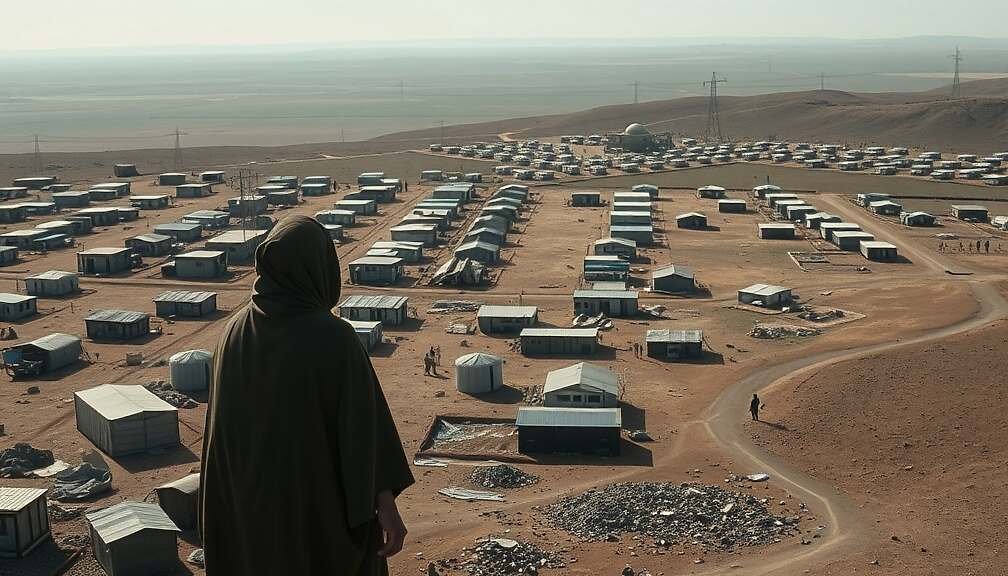
The World Food Programme (WFP) and the Stockholm International Peace Research Institute (SIPRI) fear that the ongoing crisis in Iran will have a lasting, destabilizing impact on vulnerable regions around the globe. According to WFP Germany Director Martin Frick and SIPRI Head Karim Haggag, the repercussions of the Hormuz Strait blockades, which have damaged the supply of energy and fertilizer, are “palpable and will continue.”
Globally, supply chains required months to stabilize, and world market prices for staple foods are currently at their highest point in three and a half years. The increased cost of fertilizer, particularly as it impacts areas across Asia and Sub-Saharan Africa during critical rice planting seasons, will further reduce agricultural production. Frick and Haggag assert that this trend “will continue to increase the number of hungry people, even if the situation in the Middle East were to ease.” They note that for the most vulnerable populations, the crisis was clear even before the latest escalations.
They called upon the German government to significantly increase its funding for global hunger mitigation efforts. They lamented that “in a world that is increasingly investing in military security, the contribution of humanitarian aid and development cooperation is systematically underestimated and dismissed as optional ‘charity.'” However, they stressed, “anyone who takes security seriously cannot cut costs in this area.”
The public in Germany has shown sustained solidarity in the fight against hunger, with private donations remaining stable. Frick and Haggag argued that this level of reliability should also apply to the federal budget. They contended that robust hunger relief would not even constitute 0.1 percent of the federal budget, cautioning that sudden drops in aid funding could, conversely, intensify conflict, protests, and violence in already dependent regions.