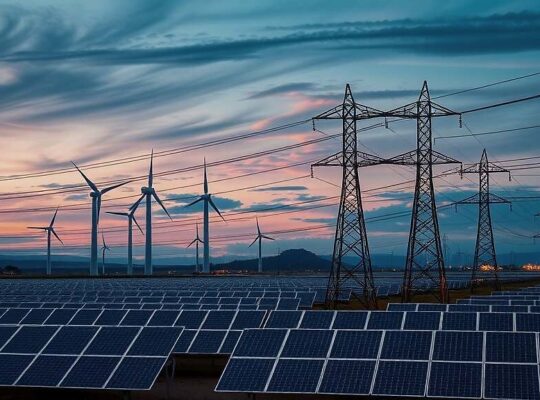
According to preliminary figures from the Federal Statistical Office (Destatis), real production in Germany decreased by 1.1% in July 2026 compared to June 2026, after seasonal and calendar adjustments. In a less volatile three-month period, however, production between May and July 2026 showed a 0.4% increase over the previous quarter. Furthermore, the decline was mitigated by a rise in energy generation, which climbed by 4.7%-driven particularly by electricity produced from wind and photovoltaic sources.
On a year-over-year basis, production was 1.6% lower in July 2026 compared to July 2025, calendar-adjusted.
Looking closer at the decline in July 2026, the automotive industry was the primary contributor to the downturn, seeing a drop of 9.2% on a monthly, seasonally, and calendar-adjusted basis. A multi-week production halt, noted by the Association of the Automotive Industry (VDA), was cited as one of the key factors behind this slump.
Overall industrial production experienced a decrease of 2.2% from June to July 2026, seasonally and calendar-adjusted. Within this sector, the output of investment goods fell by 3.4%, while consumer goods production dropped by 2.2%; production of intermediate goods saw only a slight decline of 0.2%. Outside of industry, construction output registered an increase of 0.9%. Year-over-year, industrial production was 3.3% lower in July and calendar-adjusted.
Specific to energy-intensive sectors, production decreased by 1.7% month-over-month. Over the past three months (May to July 2026), production in these energy-intensive industries remained stable, maintaining the same level as the preceding three months. Compared to July 2025, energy-intensive production was 0.5% lower in July 2026, calendar-adjusted.