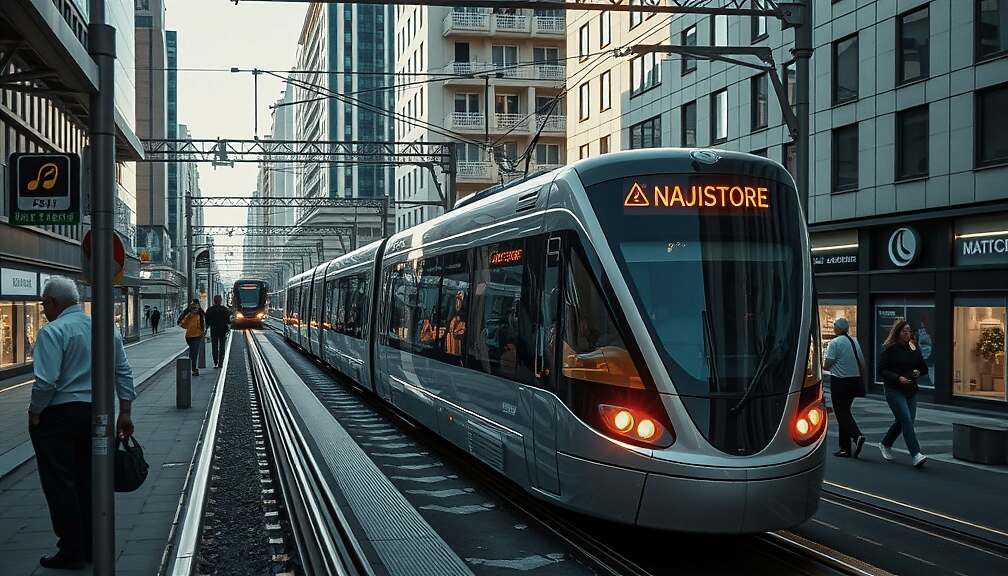
Greenpeace, a peace and environmental organization, has placed Germany fifth out of 30 countries in its recent ranking of public transport systems across Europe, dropping from fourth place. Malta and Luxembourg still occupy the top spots, as they offer free public transport, a practice that also makes travel cheaper today in countries like Slovenia and Austria than it is in Germany. The ranking also noted Finland as having the lowest-rated system. To assess the performance, Greenpeace examined several criteria, including ticket affordability, availability, and social discounts.
While the nationwide Deutschlandticket provided a solid ranking due to its standardized price across Germany, it is becoming increasingly expensive for consumers. Although it launched in May 2023 at €49, the monthly price is currently €63, representing the steepest price increase among all the national tickets analyzed, nearly 30 percent. Furthermore, the price is slated to rise again in 2027 to approximately €66. The positive impact on Germany’s standing is partially due to a reduced VAT rate of seven percent on public transport tickets, but the lack of a nationwide social ticket is a negative factor.
Marissa Reiserer, a mobility expert at Greenpeace, urged that the price of the Deutschlandticket must decrease instead of continually rising. She argued that switching to buses and trains helps permanently mitigate recurring oil price shocks. Accessible and inexpensive public transport would provide a fair way to alleviate financial burden on private households, lessen dependency on expensive oil, and promote climate protection. Reiserer also stated that well-developed and functional public transit systems foster social participation and strengthen trust in democracy. In contrast, those who feel marginalized tend to distrust political institutions more and are more susceptible to right-wing populist narratives, she added, concluding that robust and affordable local transport benefits all levels of society.
In the specific ranking of European capitals, Berlin ranked 25th. When adjusted for purchasing power, local transport in Berlin is among the ten most expensive analyzed, and it received deductions for the absence of comprehensive senior discounts. Cities like Tallinn (Estonia) and Prague (Czechia) scored significantly better, largely due to free or very low-cost fare options. Considering EU-wide emissions, transport is the only sector whose greenhouse gas output has increased since 1990. Consequently, shifting people to buses and trains represents a potential key lever for lowering emissions.