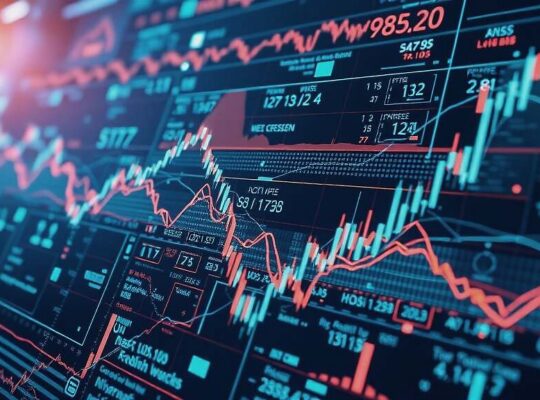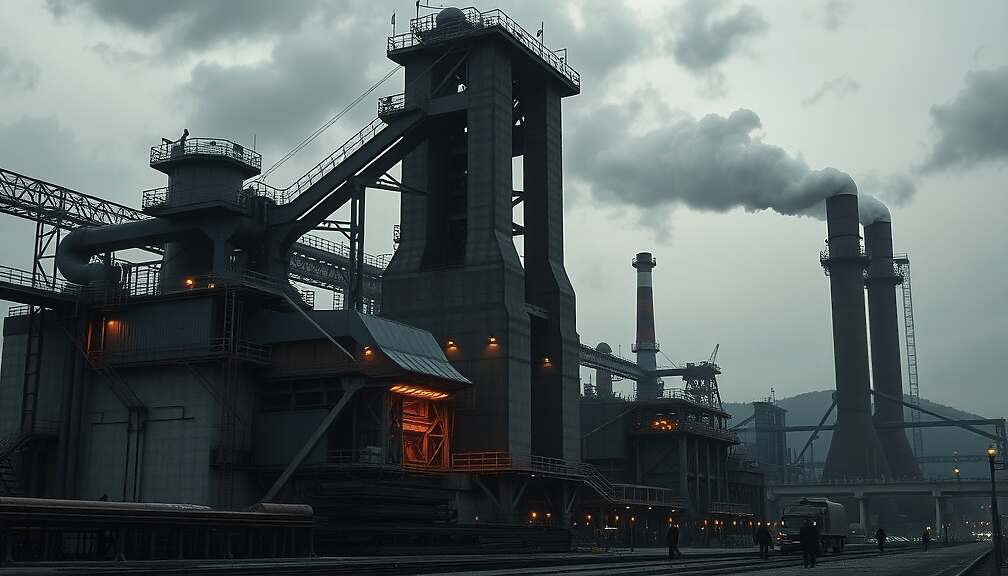
Steel prices across Europe have increased since the implementation of the new tariff regime. To safeguard the struggling heavy industry, the EU began restricting duty-free steel imports from third countries in July. If country-specific quotas are surpassed, markedly higher duties now apply than before. According to analyses by Boston Consulting Group (BCG), as reported by “Spiegel”, this move toward protectionism is driving up the cost of the metal. For instance, BCG reports that the price of Warmband, a crucial intermediate product used in sectors like automotive parts and profiles, has risen by six percent in northern Europe since July.
This surge is surprising, given that prices in previous years’ third quarters typically experienced a decline. While the new EU trade protection measures are a key factor, increases in operational costs, such as higher energy and transport expenses linked to low water levels on the Rhine River, may also contribute to the price hike. BCG expert Nicole Voigt noted that while the new trade regime is boosting the utilization rate of the European steel industry, this benefit hinges on demand not declining more sharply than the duty-free import quotas allow.
Since July, the EU has limited steel imports from third countries to 18.3 million tons annually, imposing a 50% tariff on anything exceeding this limit. Brussels implemented these measures to shield the domestic industry from the consequences of overcapacity, much of which originates in China. BCG reported that only 83% of the duty-free quotas were utilized last quarter. Voigt offered several possible reasons for this underutilization, including the fact that many importers had already filled their steel stocks before the new tariffs took effect, difficulty in accurately filling individual quotas for specific nations, or a lack of profitability for certain trading partners due to anti-dumping measures.
Although rising steel prices put pressure on sectors like the automotive industry, Voigt warned that the far greater danger would be the failure of the local steel industry itself. “We need a substantial portion of primary raw material production here to avoid further de-industrialization,” she stated.
In its effort to combat the import flood, particularly from China, the EU Commission is preparing additional protective clauses. Brussels intends, for example, to significantly limit the number of hybrid cars allowed to be imported into the EU. Furthermore, Commission President Ursula von der Leyen has announced intentions to protect other key sectors, including chemicals, pharmaceuticals, and mechanical engineering.