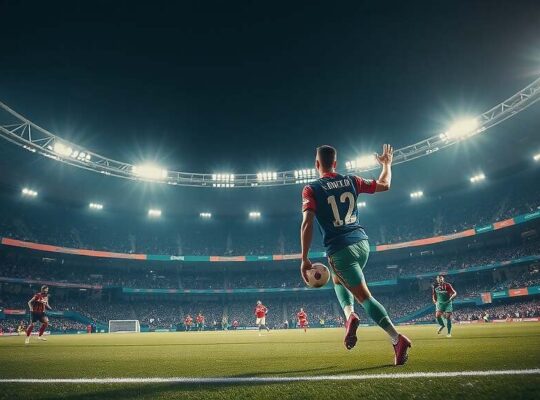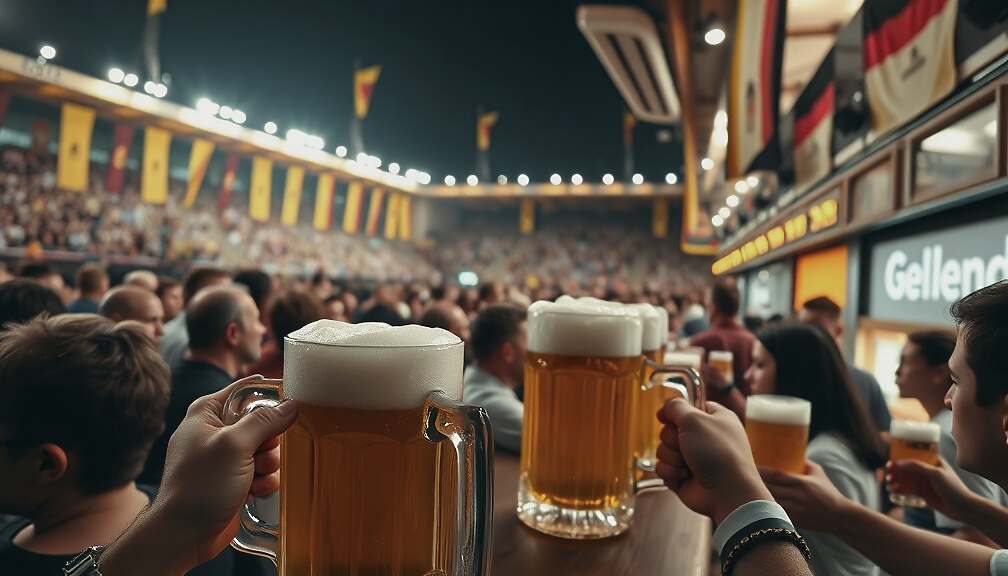
German brewers anticipate a strong business period during the Football World Cup, despite the fact that the large, centralized fan zones are canceled this year due to time differences. According to Holger Eichele, CEO of the German Brewers’ Federation, international tournaments create additional opportunities for consumption and boost beer demand during the summer months, regardless of whether people are watching together in public or at home.
Eichele added that while many factors suggest beer consumption will shift more towards beer gardens, restaurants, pubs, garden parties, and private gatherings, rather than massive central fan zones, the World Cup remains a crucial event with significant consumption potential for German brewing industry.
However, Eichele also noted, looking at past tournaments, that major sporting events are no longer guaranteed success stories. He pointed out that even the 2024 European Championship generated only limited economic stimulus. The overall economic climate is therefore key, as high costs and continued subdued consumer sentiment are restraining sales opportunities for many brewing companies.
The 2006 World Cup did more than just create the “Summer Fairy Tale”; it also made public viewing a mass phenomenon. Just the fan zone in Berlin in front of the Brandenburg Gate attracted millions of people, leading to a rise in beer sales of 140 million liters compared to the previous year. The 2014 World Cup saw an increase of at least two million hectoliters. Yet, two years ago, poor weather and global politics significantly dampened beer consumption during the European Championship, leading the industry to describe it as a failure.
Eichele stated that this year’s economic impact will be “highly dependent on the sporting success of the German national team and summer weather”. For this reason, the brewing industry welcomes the federal government’s decision to temporarily ease public viewing regulations. “Exceptions regarding noise protection provide more planning security for restaurants, organizers, and breweries and allow collective viewing even when kick-off times are later”.
The 2026 World Cup will be held in Mexico, Canada, and the United States. Depending on the time zone, the host locations are six to nine hours behind German time. Consequently, it is often late in Germany when games are kicked off in Toronto (minus 6 hours), Mexico City (minus 8), or Los Angeles (minus 9).