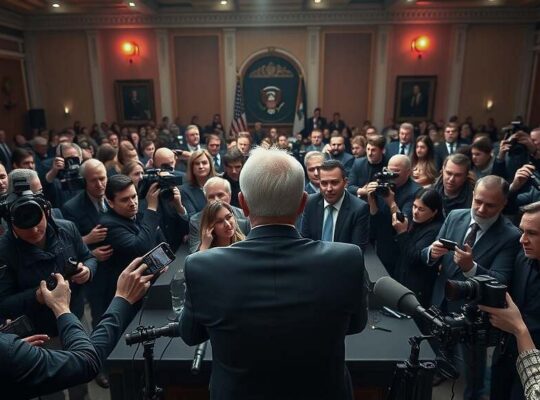
A recent high-profile incident involving legal action regarding insults directed at politician Friedrich Merz has ignited a major debate within Germany’s governing coalitions concerning the potential elimination or reform of the specific law criminalizing personal insults against politicians (Section 188 of the Criminal Code).
In response to this controversy, some members of the CDU bloc have suggested abolishing Section 188 entirely. Günter Krings, a deputy faction member for interior and legal policy within the Union party in the Bundestag, stated that there is no need for special penal legislation dedicated solely to politicians, indicating an openness to removing the section of the criminal code.
However, Krings cautioned against lowering penalties generally, pointing out a worrying societal trend toward escalating vulgarity. Instead, he argued that the overall protection of honor should be strengthened. His proposal involves transferring the higher penalty limits currently applied under Section 188 to the general insult provisions defined in Section 185. He believes this approach would ensure better honor protection for all citizens and resolve issues of unequal treatment.
In contrast, skepticism surrounds such proposals from the Social Democrats (SPD). Carmen Wegge, the SPD’s legal policy spokesperson, argued that calling for the abolition of Section 188 is ill-timed. She pointed to the clear rise in investigations, noting a jump from 2,600 cases in 2025 to recently documented figures of 4,500. Wegge stressed that attacks on individuals in political life are increasing significantly, not declining.
For the Social Democrats, the law is crucial for protecting citizens outside of high office-specifically citing the approximately 200,000 people who volunteer in local parliaments or serve as mayors. According to Wegge, freedom of speech ends when targeted attacks on a person’s dignity are used to push them out of public life. She maintains that Section 188 serves precisely this protective function and must therefore be upheld.
Conversely, the Green politician Erik Marquardt supports abolishing the law. He acknowledged the discomfort inherent in facing constant disparagement from politicians but stressed that politicians do not require special privileges. In his view, a much greater priority should be placed on protecting politically active individuals from actual violence or concrete threats, especially at the local level. He argued that maintaining Section 188 risks giving the impression that freedom of speech itself is being restricted, necessitating its repeal.
This national debate is also moving to regional levels. The Justice Ministers Conference planned for next week in Hamburg will discuss the issue, following a proposal from the Saxon Justice Minister, Constanze Geiert (CDU), advocating for the reform or significant restriction of both Section 185 and the specific law targeting politicians’ insults under Section 188.
Resistance to abolishing this protective measure also comes from regional SPD voices. A spokesperson for the Lower Saxony Ministry of Justice did not comment on the specific proposal from Saxony but indicated that Kathrin Wahlmann, the head of the department, wishes to maintain current regulations, stating, “The Lower Saxony Ministry of Justice views the abolition of Section 188 as highly critical,” adding that fighting against hate and incitement is a top priority for their ministry.