According to the non-governmental organization Global Footprint Network, humanity has already consumed the natural resources available for this year. The annual “Earth Overshoot Day” is set for July 30 this year. This date marks the point when human consumption of natural resources exceeds what Earth’s ecosystems can regenerate within that year. Currently, humanity is using nature 73 percent faster than ecosystems can recover, equating to a consumption equivalent to 1.73 Earths.
For Germany, however, the Overshoot Day occurred earlier, on May 10. Calculating based on the consumption habits of the German population, humanity would require 2.8 Earths to sustain its current lifestyle.
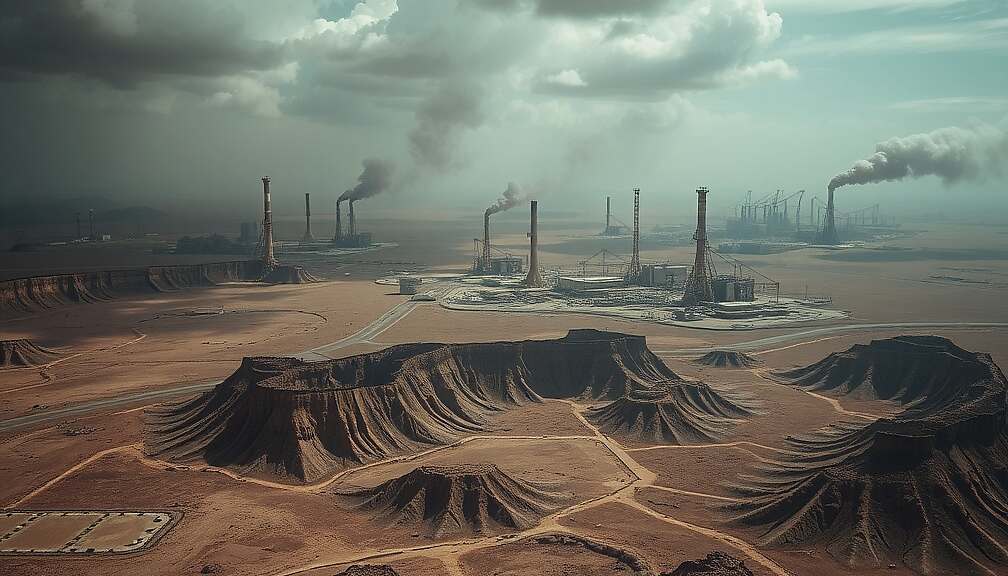
Several factors contribute to this overconsumption. These include vehicles, power plants, and factories that emit more CO2 than the biosphere can absorb; excessive freshwater use that surpasses natural replenishment rates; deforestation that outpaces regrowth; and fisheries that exceed sustainable stock replenishment.
This overuse depletes natural capital, posing a threat to long-term economic stability globally. Although unsustainable practices risk causing stagflation, food and energy insecurity, health crises, and conflicts, an analysis by the environmental protection organization suggests that virtually no national government views resource security as a central element of its economic planning.
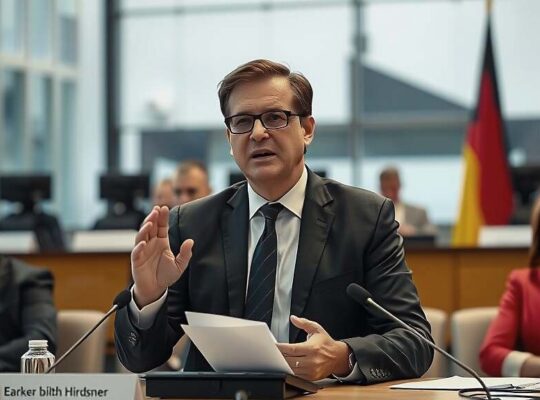
Federal Environment Minister Carsten Schneider (SPD) has issued strong warnings about the careless management of natural resources. Speaking to the Rheinische Post, Schneider stated that the yearly global overshoot day serves as a clear warning: “from today, we are living on credit.” He stressed that while we have only one Earth providing essential resources-such as fresh water, natural environments, farmland, and critical raw materials for our economy-we are handling them far too negligently.
Because of this urgent situation, Minister Schneider emphasized the importance of climate protection efforts. He affirmed the government’s commitment to expanding renewable energy sources and, whenever possible, restoring damaged nature.
Despite this, the federal government recently removed local obligations to achieve nature protection compensation for infrastructure projects. Furthermore, the “Natural Infrastructure Act”-which was intended to address this issue-is currently being blocked by the opposition Union party. Additionally, the federal government plans to reduce subsidies for renewable energy, even though the legal targets for their expansion are currently not being met.
Schneider also highlighted the crucial role of the circular economy in preserving resources long-term. The SPD politician noted that many German companies are already demonstrating how waste materials can be recovered to create new products and how materials can be utilized multiple times. He concluded that this innovative approach represents the future of the economy: less waste, more innovation, and greater self-sufficiency. By keeping raw materials in continuous circulation, he argued, we protect the climate and nature while simultaneously strengthening Germany’s economic position.