China, Russia, Iran, and North Korea, according to “Der Spiegel”.. Adding complexity to the situation, the report notes that China remains the predominant source for inverters used across the EU, particularly those manufactured by Huawei and Sungrow.
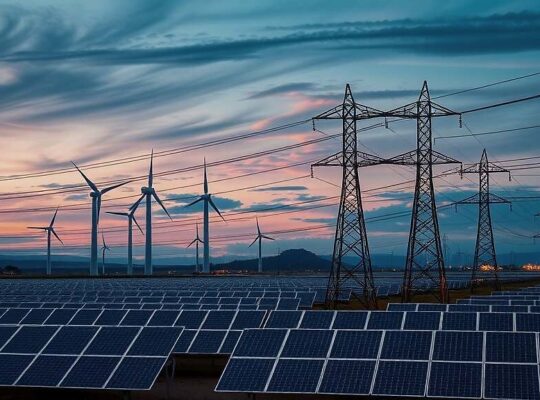
Inverters themselves are essential components that manage when and how much electrical power from a solar or battery storage system is fed into the public grid. Because they are often connected to the internet, the Commission views them as potential security risks due to hacking vulnerabilities.
The funding ban was announced immediately, following a virtual conference held on Thursday morning involving various EU directorates-general and industry associations.
The rule carries significant weight, affecting a vast number of projects. Participants during the conference pointed out that the European Investment Bank (EIB) funded approximately one-fifth of all solar projects in the EU in 2025, and industry insiders indicated that most of these used Chinese inverters.
The regulation’s scope extends beyond the EU itself, encompassing projects in neighboring regions like North Africa and the Balkans, provided those projects are connected to the European power grid. Furthermore, the restriction doesn’t limit funding only for projects that contain components from the four high-risk nations; it also prohibits projects that use inverters from companies owned or under the control of entities affiliated with these four countries.
For any new projects, the ban is effective immediately. Financial institutions are also required to submit reports on their ongoing project pipelines by early May and are strongly advised to replace inverters whenever possible. Exceptionally advanced projects may, however, remain eligible under transitional rules even if they continue to use Chinese inverters.