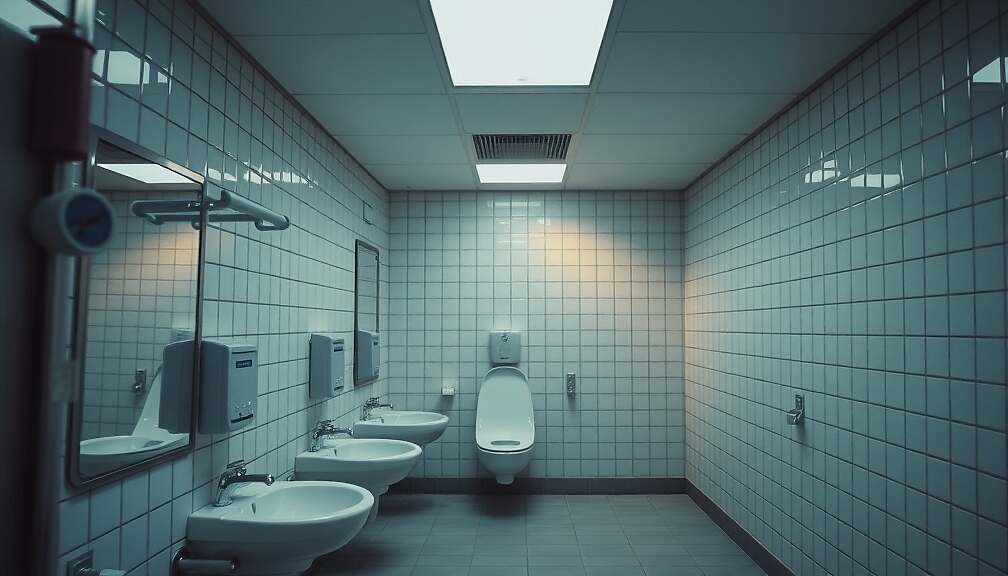
Bestselling author Peter Wohlleben has issued warnings about common, yet incorrect, hygiene practices, particularly concerning public facilities. According to Wohlleben, one of the biggest errors is how people flush toilets.
He highlights that the primary danger in restrooms comes from aerosols. When flushing occurs, air bubbles rise that can carry bacteria, remaining active in the air for up to six hours. He cautions that visiting a public restroom at noon means inhaling anything that has circulated in the air since the early morning. Conversely, he argues that the bacterial threat posed by the toilet seat itself has been greatly exaggerated; he notes that while people are squeamish about the seat, the bacterial load per square centimeter is surprisingly low. In fact, he points out that the contamination levels on gym equipment, such as handles and dumbbells, are up to 400 times higher.
For necessary preventative measures, Wohlleben emphasizes the importance of always closing the toilet lid before flushing, stating this reduces contamination levels by a factor of 14. He also criticized the poor equipment in public restrooms, questioning why train station facilities lack lids, calling this “a hygienic disaster”. He noted that railway toilets, such as those on the ICE trains, are superior to those at rest stops because they are vacuum-sealed and do not kick up circulating air.
Wohlleben also identifies urgent areas for improvement in domestic kitchens, criticizing specific household items. He advises replacing scouring sponges with actual brushes, explaining that sponges can harbor up to a billion bacteria in their moist pores, a problem that soap cannot solve. Furthermore, he pointed out that some bacteria can even feed on dishwasher detergents. He also cautioned against using pump-style soap dispensers, as these suck air and carry bacteria into the wash cycle, meaning every handwash transfers a portion of bacteria onto the hands.
For his popular science book, “Bacteria – The Secret Heroes”, Wohlleben has compiled current studies regarding microorganisms.