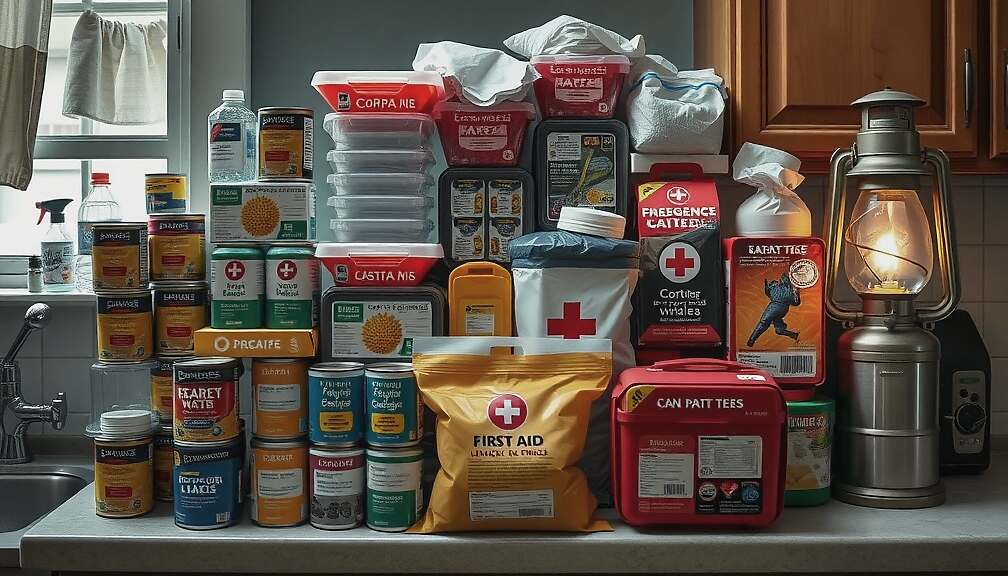
According to an analysis conducted by the German Credit Bank (DKB) and reported by the economic magazine “Capital” households that wish to prepare for a crisis, following federal recommendations, must allocate an average of approximately €900. This estimate is based on the current market prices for items listed on the official checklist provided by the Federal Office for Civil Protection and Disaster Assistance (BBK).
The analysis found that the energy sector is the most costly. For instance, the DKB estimates that a gas heater alone costs an average of €143.48. The next most expensive single item identified is a camping toilet, priced at €121.68. In total, if a household aims for complete preparedness, the products sum up to €903.18. This amount represents nearly 30% of the median checking account balance of approximately €3,000, according to the German Federation Bank.
When approached by “Capital” the BBK confirmed that these figures are plausible, at least if all items had to be purchased new. The agency acknowledged that it is unrealistic to expect everyone to be able to purchase, store, and maintain a ten-day emergency supply utilizing every item on the checklist. Nevertheless, the BBK urged people to prepare, emphasizing that even small stockpiles and preparatory steps are helpful.
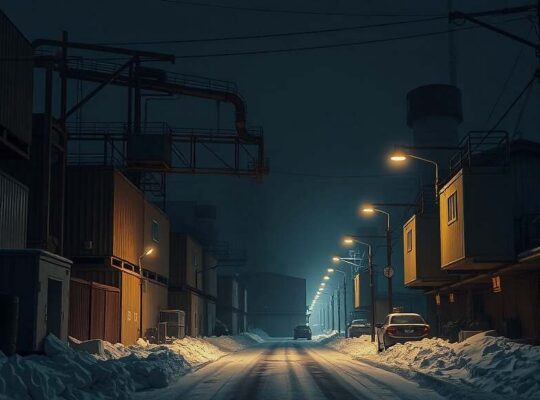
The need for such preparedness stems from the fact that extreme weather or other emergencies frequently force people to become self-sufficient for several days, such as when Berlin experienced a multi-day power failure during freezing temperatures last January.