Concern is mounting within the German ruling coalition that the expected two-week ceasefire between the US and Iran may lapse without use, potentially leaving the conflict without a visible end, which is relevant given discussions about a possible German military mission.
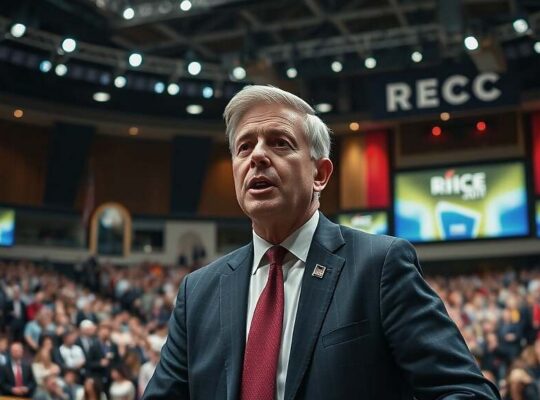
Deputy SPD Parliamentary Group Chair Siemtje Möller described the absence of concrete outcomes from the US-Iranian talks as a “desolate sign” arguing that the talks have failed to lead to a reliable end to the conflict. According to Möller, only a breakthrough would allow for a collective “sigh of relief for the people and for the global economy”.
This concern was echoed by Jürgen Hardt, the foreign policy spokesman for the CDU caucus and Chancellor Friedrich Merz. Hardt criticized the current situation, stating that Iran continues to utilize the Strait of Hormuz purely for negotiation leverage, particularly in light of the recent closure of the outlet from the Persian Gulf. He deemed this approach unacceptable for not only Germany and Europe but also for their Arab and Asian partners. Furthermore, Hardt cautioned that the world’s vital supply of fertilizer and energy should not be subject to the whims of the Tehran regime.
Möller criticized the current diplomatic efforts as insufficient, pointing out that talks might continue in Islamabad, the Pakistani capital. She firmly asserted that the conflict can only be resolved through negotiations, rather than through displays of force broadcast via social media.
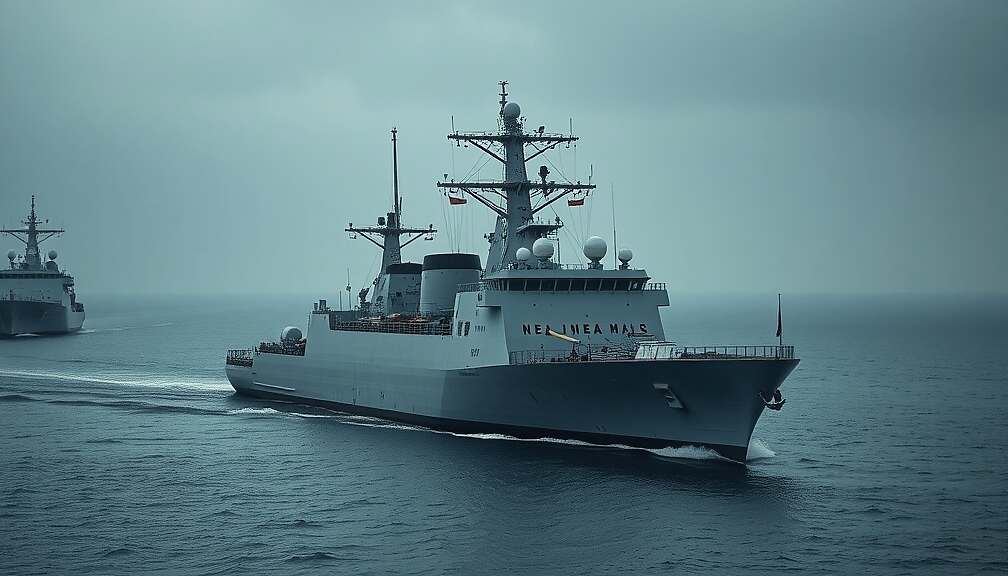
While there is governmental agreement that the conditions for a potential European military mission safeguarding shipping routes-and thus German involvement-are not yet established, Möller confirmed that it remains strategically important for Germany to see a reliable cessation of hostilities, allowing German and allied partners to contribute toward stability and the freedom of sea lanes. However, she made clear that discussing any participation in the German Bundestag itself requires both a permanent, stable ceasefire and an international mandate. Hardt concluded by adding that while Germany and Europe are committed to contributing to a stable solution, the local circumstances are not yet prepared for such an involvement.