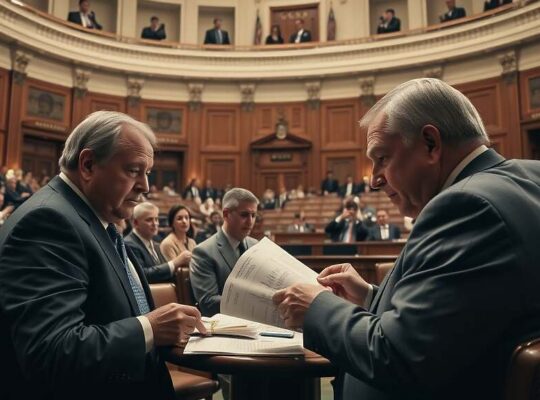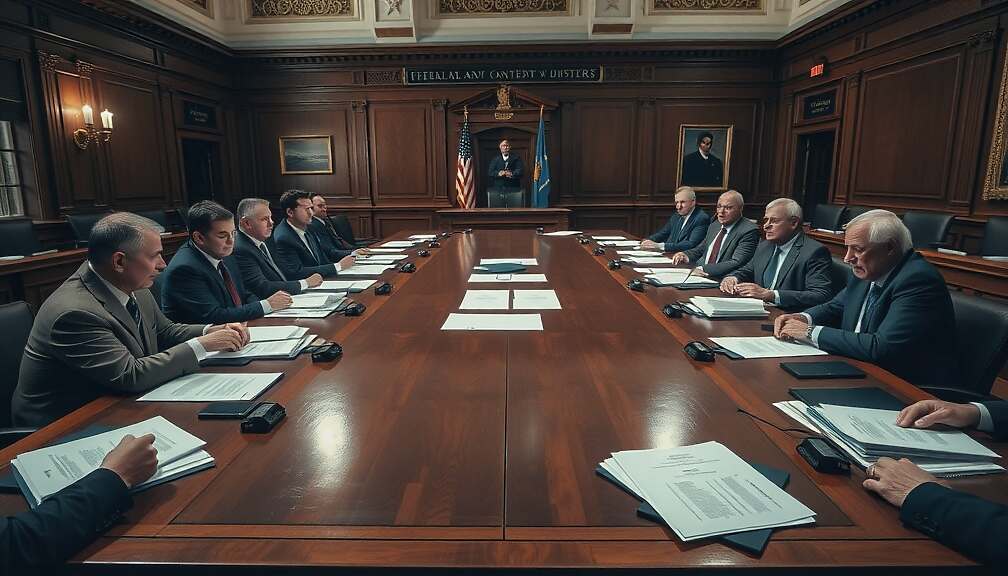
Several speakers of state parliaments have rejected the suggestion put forward by Bundestag Vice President Omid Nouripour (Greens) that all state elections should be held on a single day. Thomas Strobl, the Speaker of the State Parliament of Baden-Württemberg (CDU), told the “Tagesspiegel” (Wednesday edition) that he found the idea “difficult and hardly achievable”.
Strobl proposed an alternative solution, asking the Bundestag to extend its legislature from four to five years. He stated that extending the election period of the Bundestag to five years was, in his view, an urgently necessary first step towards Nouripour’s proposals-a duration already used in certain states. Since Nouripour can submit a specific proposal to the parliamentary factions as Vice President, Strobl added that if the general secretaries of the CDU and SPD were open to discussion, a majority in the Bundestag could potentially emerge. This, he suggested, would be a crucial initial action if any of the proposals were to move forward.
Markus Rinderspacher, the Vice President of the Bavarian State Parliament (SPD), fundamentally dismissed Nouripour’s initiative. He argued that Germany is consciously structured as a federal state. Different election dates ensure that political developments in individual states remain visible and independent. According to Rinderspacher, if all state elections were held simultaneously, regional issues would be lost in the shuffle. Instead of discussing education, policing, or local infrastructure in a specific federal state, the focus would shift entirely to federal politics, thereby reducing the importance of federal differences.
Rinderspacher further explained that concurrent elections could massively influence short-term Bundestag trends. He cautioned that “bundled elections could also unify widespread protest emotions. The anger could then be vented in the wrong place”. While staggered election dates lead to frequent campaigning, they also ensure political issues are regularly discussed publicly. Fewer elections, he noted, tend to result in declining political attention.