Following attacks on the power grid, Amprion CEO Christoph Müller is calling on politicians for more operational freedom to better protect companies. Speaking to the “Rheinische Post,” Müller stated that businesses need to publicly disclose detailed information about their electricity and gas networks, enabling them to deploy this data in real-time. He argued that current constraints allow attackers to operate too easily, regardless of their origins, and he requested that the federal government lighten the existing transparency regulations.
Furthermore, the CEO emphasized the need for greater allowances concerning the use of drones and video surveillance. Müller noted that drones represent a promising asset, yet currently, their use is limited only to highly specific situations. “Drones could routinely fly over and monitor lines-that is something we are currently prohibited from doing. The federal government needs to permit these drone surveys,” he insisted.
Another major concern raised was the current limitation on surveillance camera usage, which generally restricts observation to one’s own property, excluding the surrounding environment. Müller explained that expanding these boundaries risks immediate complaints from data protection authorities. He urged both the federal and state governments to permit the use of video surveillance around the facilities.
Müller anticipates further incidents of this nature, but he assured readers that the company is fully prepared. “We must factor these possibilities in. But we are ready for everything,” he said, adding that the company is highly vigilant and has bolstered operational security, much like preparing for a hurricane. This increased readiness includes postponing scheduled maintenance and building in higher safety margins.
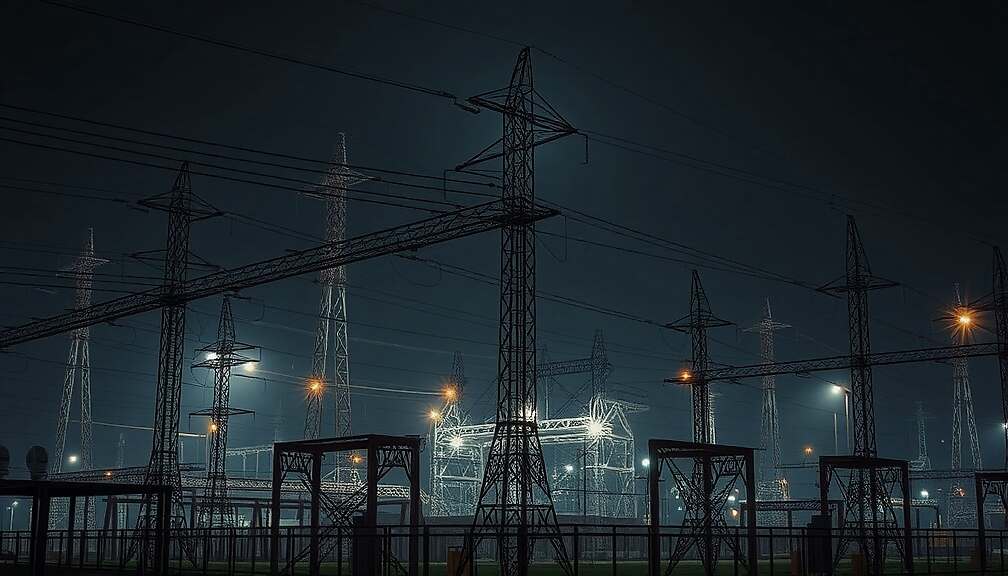
Amprion operates approximately 180 substations, including those in Bergheim and Dormagen that were affected by the recent incidents. Stressing that complete protection is impossible, Müller concluded, “Things can always happen. But we must be capable of handling the threats. And we can: Our teams are always ready for deployment.”