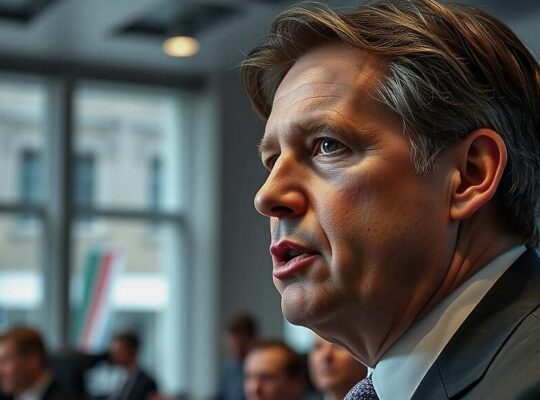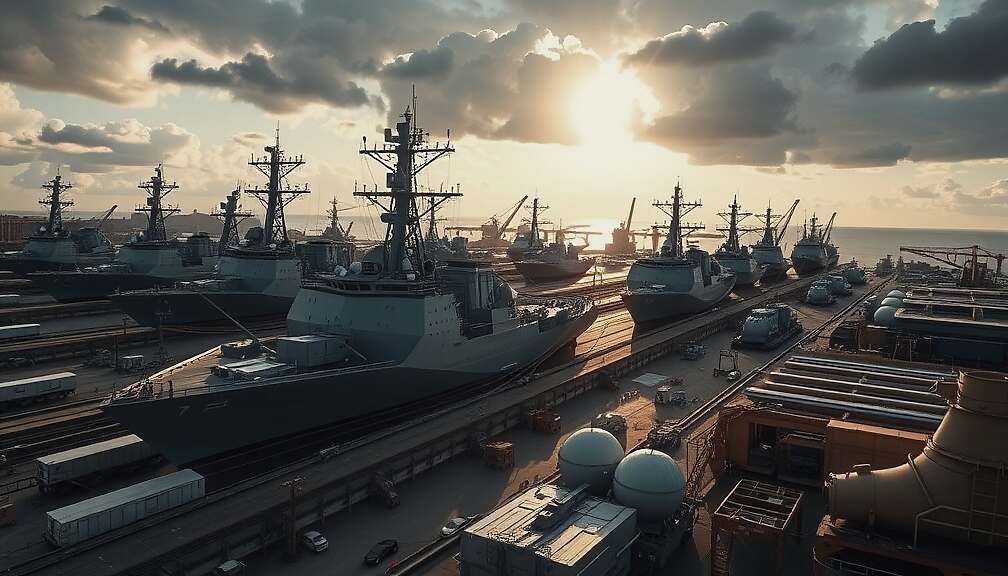
Armin Papperger, CEO of Rheinmetall, described the cancellation of the F126 frigate project as a definite setback for the company, noting that they were caught off guard by the decision. However, he simultaneously defended Rheinmetall’s acquisition of the shipyard group Naval Vessels Lürssen (NVL), which was intended to take over the contract. Papperger argued that moving into the maritime sector was the correct strategic move, given the high demand for such vessels not just from the German Armed Forces.
The cancellation occurred after Defense Minister Boris Pistorius announced the halt of F126 construction, despite €2.3 billion already having been invested in the project. The initial contract with the Dutch shipyard Damen for six frigates reportedly fell through because Damen was deemed unable to manage the scope of work. Rheinmetall had planned to step in and take over the order; a purchase agreement was nearing completion. Despite this, Pistorius quickly changed course and stated that the Ministry of Defense now intends to purchase smaller MEKO A-200 type frigates produced by NVL’s competitor, TKMS. Following this announcement, Rheinmetall shares experienced a temporary 20 percent decline.
Addressing critics who claim Germany is becoming too reliant on Rheinmetall for its military modernization efforts, Papperger dismissed the notion. He found the debate ironic, pointing out that the company has historically been criticized for being too small, yet now as he builds a major conglomerate, he faces accusations of being too large. Ultimately, he stressed that it is up to the country to decide what strategic direction it wants to take.
Papperger also touched upon his own tenure at the company, noting that his contract runs until late 2029. He admitted that at his age, one might start contemplating whether or not they wish to continue in the role. While acknowledging he now holds various interests outside defense, such as real estate and electronics-areas where he enjoys spending time-he reasserted his unwavering loyalty to Rheinmetall. Furthermore, he dismissed concerns regarding the company’s future leadership, confidently stating that even if he were to step away, Rheinmetall would continue to run very successfully.