According to calculations by the consulting institute Prognos, which were reported by Spiegel, gas heating systems are set to become expensive for landlords and property owners in the future.
The rising costs are driven by new building modernization laws, which dictate that landlords must share in the heating expenses of their tenants. For mid-insulation apartments of 80 square meters, for instance, landlords face significant financial burdens. By 2029, annual costs are projected to reach 330 euros, amounting to 27 percent of the overall costs. These figures are expected to escalate, hitting 547 euros annually by 2035, with the highest costs anticipated in 2045, reaching 761 euros per year. In a particularly severe scenario, the annual cost could soar to 1,194 euros. The report also notes that sums will be much higher for poorly insulated units.
Corinna Kodim, CEO of Energy, Environment, and Technology at the property owner association Haus & Grund, expressed alarm over these forecasts. She warned that “under these circumstances, it will be barely economically viable for a landlord to operate a new gas heating system.” Kodim fears that property owners who lack technical or economic alternatives may prolong the use of old gas heating systems to delay the transition. For landlords, the regulatory changes pose massive cost risks, as they will subsequently have to share a portion of specific tenant consumption costs.
The new regulations require landlords to cover half of the network fees, the CO2 price, and the costs associated with biogenic fuels when installing new heating devices starting in 2029.
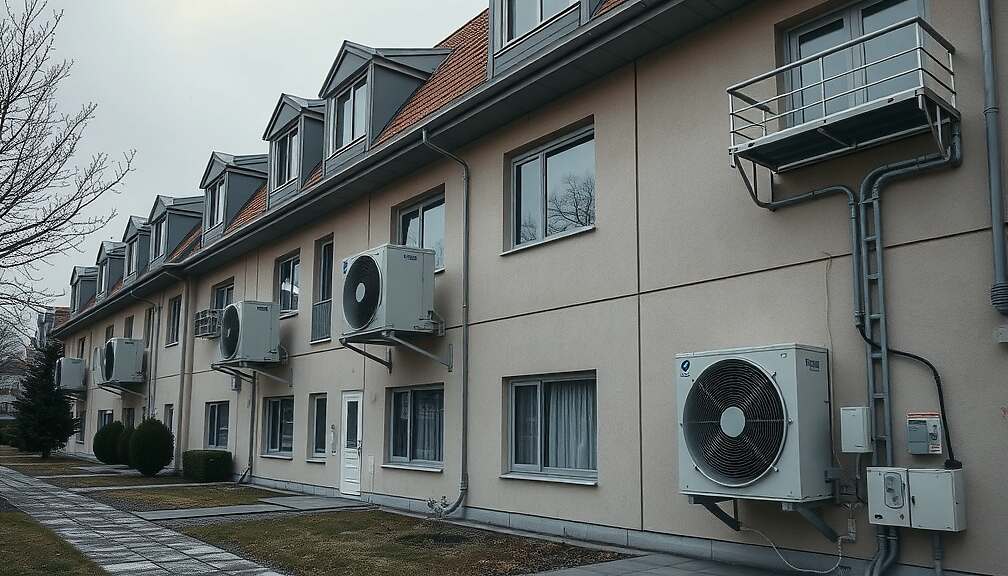
To avoid this mounting cost risk, landlords and owners must transition to eco-friendly alternatives, such as connecting to district heating or installing a heat pump. Although these systems have a higher initial purchase price compared to fossil fuel devices, their long-term operational costs are significantly lower.