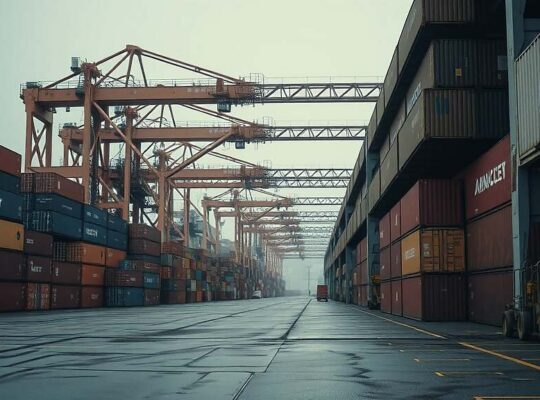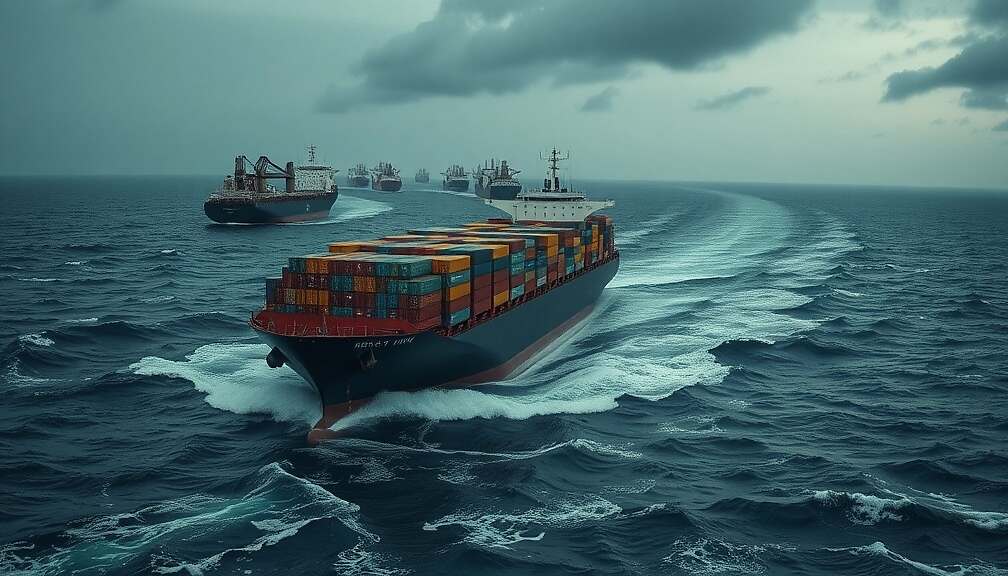
The Association of German Shipowners (VDR) has issued a stern warning regarding the potential impact of ongoing uncertainties surrounding the free passage through the Strait of Hormuz on the global economy. A spokesperson for the VDR stated that the international community must take every measure necessary to restore navigational freedom and effectively protect commercial ships and their crews from military clashes. They emphasized that maritime freedom is not an end in itself, as ships transport energy, raw materials, food, medicines, and countless other goods critical for the daily life of people and businesses worldwide.
The association urged that major international trade routes-whether in the Strait of Hormuz, the Red Sea, or other strategically vital seas-must remain secure and freely traversable at all times. This stability is crucial for maintaining supply chains, ensuring energy security, and reliably supplying millions of people, including residents in Germany.
Adding to the complexity, US President Donald Trump had announced plans to implement a toll for transit through the Strait of Hormuz.
Oliver Holtemöller, Vice-President of the Leibniz Institute for Economic Research Halle (IWH) and head of the Macroeconomics Department, warned that the situation in the Middle East is changing almost daily. He noted that this volatility creates high uncertainty regarding global oil and gas supplies and causes oil prices to fluctuate wildly. He pointed out that this uncertainty alone carries negative economic consequences because it hinders investment decisions.
Regarding Trump’s proposed toll, the economic researcher suggested that if the fee genuinely guarantees permanent safe passage through the Strait of Hormuz, policymakers would need to weigh the positive effect of reduced uncertainty against the negative impact of the toll costs. Nevertheless, Holtemöller maintains that the situation is likely to remain highly uncertain without a rapid, permanent resolution, suggesting that global markets must prepare themselves for fluctuating prices and temporary supply shortages.