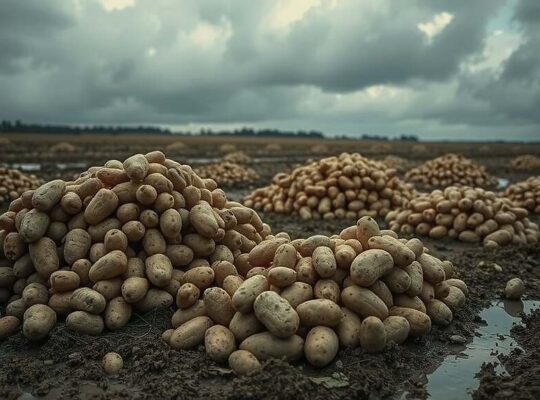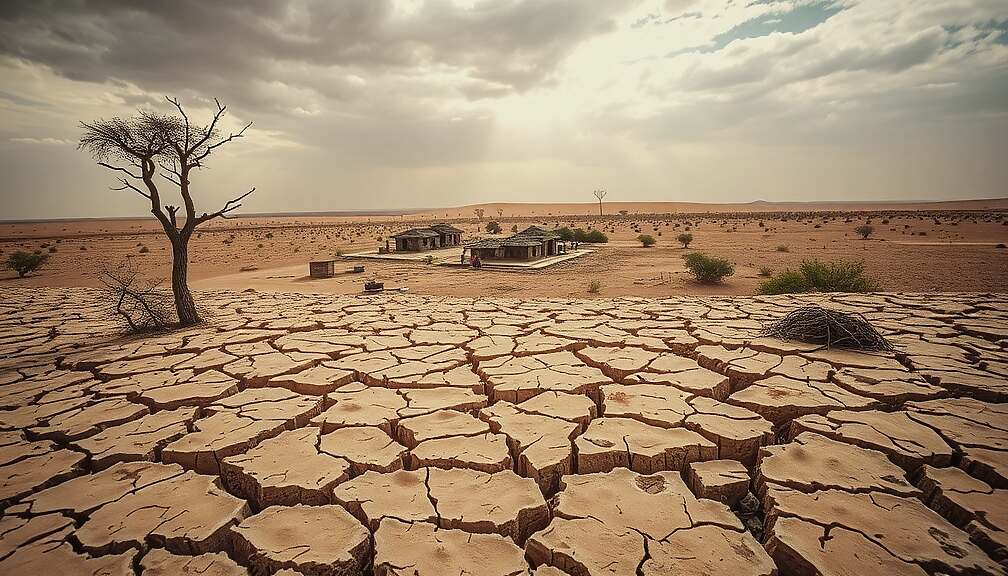
Around 2.5 million people in South Sudan are currently affected by drought-like conditions. According to the United Nations Office for the Coordination of Humanitarian Affairs (OCHA), which cited its humanitarians and reports from the State Commission for Relief and Reconstruction (RRC), conflicts and persistent drought are causing further displacement and worsening food insecurity. South Sudan is identified as one of the countries most severely threatened by climate change globally.
Many households have lost access to agricultural land, livestock, and other sources of income. As a result, people are increasingly forced to rely on collecting wild fruits or selling essential production assets, or they are compelled to flee their homes.
Humanitarian data indicates that the food situation remains critical in parts of the Jonglei and Upper Nile states. In the districts of Ayod, Akobo, and Nyirol, surveys among children under five years old have detected Global Acute Malnutrition (GAM) rates exceeding 34 percent. In the Upper Nile state, GAM rates reached 18 percent in Panyikang and 28 percent in Malakal, surpassing the 15 percent emergency threshold set by the World Health Organization (WHO) in both locations.
Furthermore, the cholera epidemic in South Sudan is continuing two years after the initial cases were reported. Since September 2024, a total of 112,148 cases and 1,723 deaths have been recorded. Although the rate of transmission has slowed down, active cases continue to be reported. Simultaneously, outbreaks of Mpox, measles, Hepatitis E, and polio are ongoing.